WASHINGTON – Consumer prices rose by an average of 7% in U.S. cities last year, the steepest rise in decades, and they grew even faster in the Phoenix metro area, according to new data from the Bureau of Labor Statistics.
The bureau reported Wednesday that the consumer price index for the Phoenix-Mesa-Scottsdale area rose 9.7%, driven by surging prices for gas and transportation and increasing demand for housing. Some experts think a labor shortage propelled by COVID-19 will lead to a continuing rise in inflation.
“Americans and Arizonans are seeing rising prices across the board, whether it’s in the grocery aisle or at the gas station,” said Garrick Taylor, a spokesperson for the Arizona Chamber of Commerce and Industry. “They are spending more of their money for essentials, and their dollars aren’t going as far.”
Post-Pandemic Inflation
The 12-month rise in consumer prices was the highest in almost 40 years, according to BLS, which said it was only exceeded by the 7.1% increase posted in June 1982.
Inflation slowed in December from previous months, according to the BLS report. It said consumer prices rose 0.9% in October and 0.8% in November, but just 0.5% in December. The slowing rate was highlighted Wednesday by President Joe Biden, even as he conceded that inflation overall is too high.


“Today’s report – which shows a meaningful reduction in headline inflation over last month … demonstrates that we are making progress in slowing the rate of price increases,” Biden said. “At the same time, the report underscores that we still have more work to do, with price increases still too high and squeezing family budgets.”
The report is an average of consumer price increases in urban areas across the nation, which the BLS says represents about 93% of all U.S. consumers. Nationwide, it said the increase in consumer prices over the year was driven by soaring costs for gasoline and other fuels, and higher prices for used cars, vehicle rentals and durable goods.
But the increases also hit everything from some types of food to housing and clothing costs. Health care costs were relatively stable in 2021 and the cost of health insurance actually fell 1.2% over the year, according to the report.
Phoenix Tops the List
The Phoenix-area increase trailed only Atlanta, which saw a 9.8% rise in 2021. Experts said the increases in Arizona were heavily impacted by a sharp rise in housing and fuel prices.
“We do a little better than the nation on a few other items,” said Dennis Hoffman, the director of the Seidman Research Institute and professor of economics at Arizona State University. “But we do substantially worse on shelter, or housing, and gasoline and the reason for that is pretty well known – we’ve got a tremendous housing shortage in the greater Phoenix metro area.”
Some of the changes are relative: Hoffman notes that Arizona has had lower-than-average gasoline prices until a few years ago and that inflation in December 2020 was unusually low because of the pandemic.
“People hadn’t come out of their rabbit holes yet,” Hoffman said of 2020. “Now, people are out and about and they’re trying to drive, and they’re trying to buy homes and it’s driving prices up.”
That rising demand for goods comes as consumers face shortages due to national supply chain disruptions, which are also helping drive up prices.
“Until that gets resolved, inflation is going to be a problem,” said Elliott Pollack, CEO of Elliott D Pollack & Co. in Scottsdale. “It’s too much money chasing too few goods.”
Housing, Tourism, and Eating Out
Pollack said that, in addition to surging gas prices and the increased demand for housing, the growing demand for recreational services in Arizona has fueled inflation, as the state’s tourism industry is in full swing. The October-to-May tourist season means more dining out, at a time when restaurants and hospitality workers are in limited supply because of the coronavirus pandemic.
Taylor noted that the state’s minimum wage rose on Jan. 1 from $12.15 to $12.80 an hour, the sixth consecutive year the state has raised the hourly minimum.
“It’s a double whammy for employers looking to bring on entry-level employees when they’re dealing already with high labor costs, and now they’re dealing with the effects of the government wage mandate,” Taylor said.
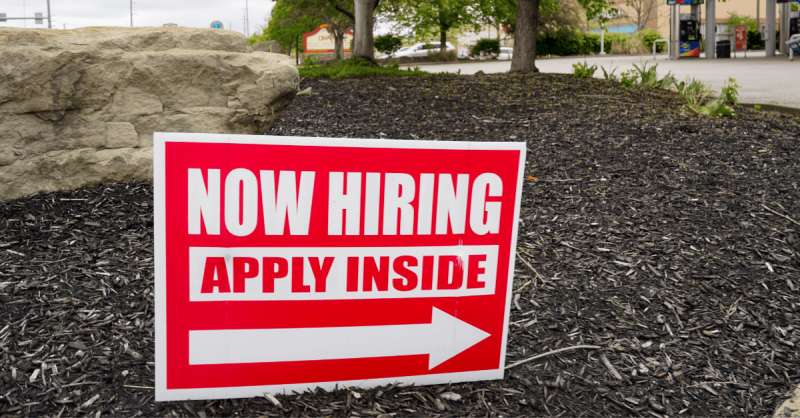
Pollack said that pandemic-related payments have reduced incentives for people to work at a time when others are retiring early or delaying a return to work. That labor shortage, combined with rising labor costs, will continue to cause a steady rise in inflation for some time to come, he said.
“Most people think it’s going to be transitory. I believe this is transitory. But I believe it depends how you define transitory,” Pollack said. “Transitory in this case is not six months, transient transitory is going to take a while.”
Expected to Level Out
But Hoffman said he expects inflation to return to more normal levels in the near future, as wholesale gasoline prices “come down a bit” and the hot Arizona housing market starts to cool.
“I think we’re going to have inflation in the next quarter or so, and then prices will moderate,” he said.
For more stories from Cronkite News, visit cronkitenews.azpbs.org.