FILE - A windmill draws water for livestock in Leupp, Ariz., on the Navajo Nation, March 9, 2024. Members of Arizona’s congressional delegation introduced legislation Monday, July 8, 2024, that would authorize a water rights settlement with three Native American tribes in the Southwest, providing more certainty for the arid region. (AP Photo/Felicia Fonseca, File)
Members of Arizona’s congressional delegation introduced legislation Monday that would authorize a water rights settlement with three Native American tribes in the Southwest, providing more certainty for the arid region.
RELATED: Interior Secretary Deb Haaland Announces 16 Tribal Water Settlements Will Get $1.7 Billion
The proposal carries a price tag of $5 billion — larger than any such agreement enacted by Congress.
Democratic U.S. Sen. Mark Kelly of Arizona said the legislation marks a historic step forward in resolving what has been a decades-long dispute with the Navajo Nation as well as the Hopi and San Juan Southern Paiute tribes.
The legislation would ratify a settlement agreement that was approved by each of the tribes in May. In all, the tribes would be guaranteed access to more than 56,000 acre-feet of Colorado River water along with specific groundwater rights and protections. The legislation also would establish a homeland for the San Juan Southern Paiute Tribe.
The funding included in the legislation would be distributed to special trust funds to pay for building and maintaining water development and delivery projects, including a $1.75 billion distribution pipeline.
“Securing water rights for these tribes upholds their sovereignty and lays the path for their growth and prosperity through increased investment in water infrastructure,” Kelly said.
Democratic U.S. Rep. Raul Grijalva of Arizona said the federal government’s obligation to the tribes to provide drinking water could not be more pressing as climate change exacerbates what he referred to as a multigenerational drought.
For the San Juan Southern Paiute, tribal President Robbin Preston Jr. said the opportunities that would come from the legislation would be life-changing for his people.
“With reliable electricity, water and housing, our people will have opportunities that have never been available to us before,” he said in a statement. “This legislation is more than a settlement of water rights, it is the establishment of an exclusive reservation for a tribe that will no longer be forced to live like strangers in our own land.”
While efforts to negotiate an agreement have been generations in the making, tribal leaders have said the ongoing drought and the effects of the coronavirus pandemic were among the challenges that drove the latest round of talks.
Author

How are Arizonans faring under Trump? New report shows higher costs for food, health care, and energy
More than a year into President Donald Trump’s second term, a new report from Defend America Action and Progress Arizona reveals that thousands of...

Republicans are using custom electric Cybertrucks to get political
Barreling down State Route 101 on a recent Sunday afternoon, the Jay Feely campaign Cybertruck was hard to miss. No space on the navy blue behemoth...
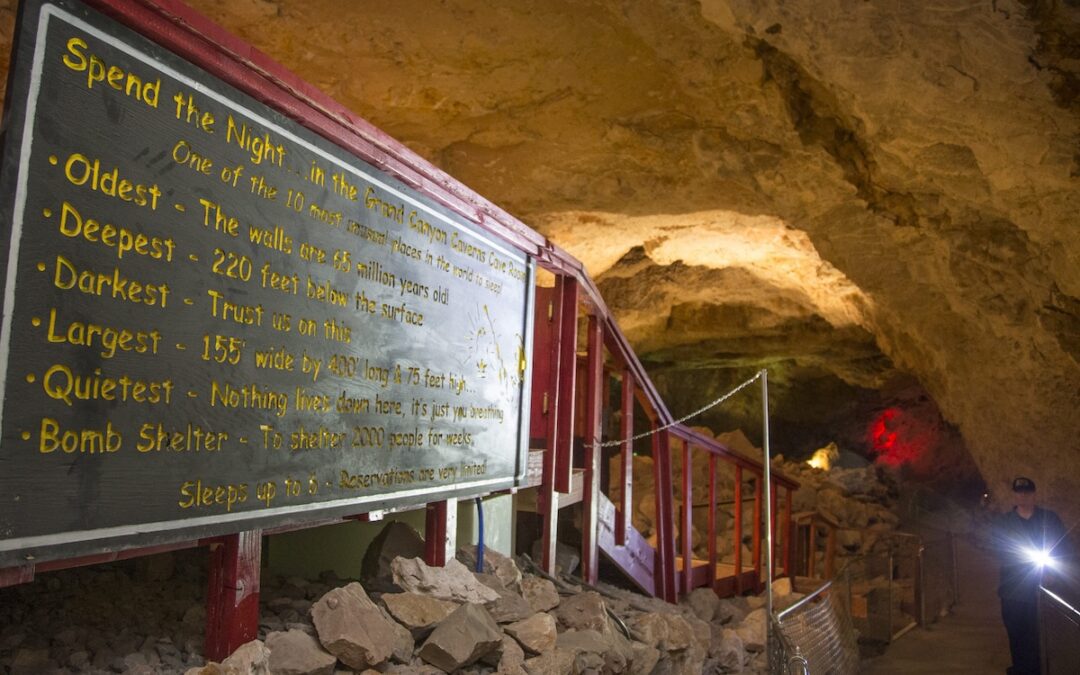
Arizona’s deepest, darkest hotel room has closed for good. Here’s why
The world's deepest, darkest and quietest hotel room is gone for good. Staff at Grand Canyon Caverns, the roadside attraction in Peach Springs near...

Trump’s tariffs hurt this Tempe coffee shop. Now its owner is fighting back
Brick Road Coffee has struggled with its expansion as a result of Trump’s tariff policies, even months after the policies were eased. When Gabe...