Photo courtesy of California Innocence Project/CC BY-SA 1.0.
A $1.5 million DOJ grant will support the University of Arizona Innocence Project’s work in investigating wrongful convictions via DNA evidence.
Groundbreaking advances in DNA analysis could soon help identify and free wrongfully convicted individuals in Arizona, thanks to a major federal grant awarded to the University of Arizona Innocence Project. The $1.5 million funding from the Department of Justice marks a pivotal moment in the state’s efforts to address potential miscarriages of justice, particularly given that Arizona has seen only three DNA-based exonerations in over three decades.
Historic funding to expand DNA evidence review
According to a University of Arizona news article, the Department of Justice’s Bureau of Justice Assistance has provided the largest grant ever received by the U of A Innocence Project, tripling their previous highest award. This substantial funding arrives at a crucial time, as the project faces hundreds of pending innocence claims requiring thorough investigation.
“This grant means we can push forward, looking deeply into cases where DNA has the potential to prove innocence and pursuing relief for those who have been wrongfully convicted,” said Vanessa Buch, who directs the project at the James E. Rogers College of Law.
Expanding capabilities & student involvement
The funding will significantly enhance the project’s ability to conduct comprehensive case reviews and utilize advanced DNA testing methods. Virginia Morris, the project’s assistant director, emphasized the financial challenges of DNA testing and case investigation: “DNA testing is incredibly costly, and without these resources, a clinic like ours couldn’t tackle cases that might require multiple rounds of testing or new, more advanced methods.”
Law students play a vital role in the project’s operations, gaining hands-on experience in legal investigation and criminal justice reform. Under professional supervision, they participate in various aspects of case review, from examining evidence to conducting witness interviews and prison visits.
Strengthening partnerships & systemic reform
The grant will also bolster the project’s collaboration with the Pima County Attorney’s Office’s Conviction and Sentence Integrity Unit. This partnership facilitates joint case investigations between prosecutors and defense advocates, creating a more comprehensive approach to reviewing potential wrongful convictions.
Looking ahead, project leaders aim to address broader systemic issues within Arizona’s criminal justice system. As Buch noted, “Our hope is that by focusing on DNA cases, we’ll learn more about errors in the system and start to break down barriers to exoneration in Arizona.”
Read More Here
Read More Arizona News
This story was generated in part by AI and edited by The Copper Courier staff.
This article first appeared on Good Info News Wire and is republished here under a Creative Commons license.
READ MORE: This Arizona abortion clinic faced a total ban just 8 months ago. Today, there’s progress
Author

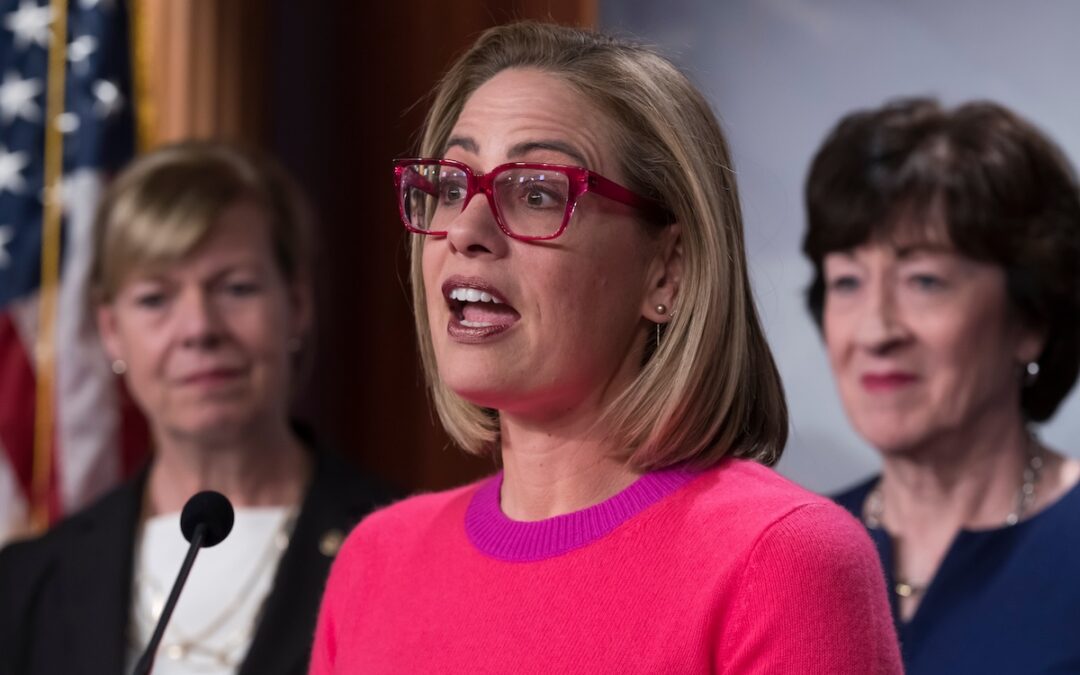
Ex-Sen. Kyrsten Sinema sued for allegedly breaking up bodyguard’s marriage
PHOENIX (AP) — Former U.S. Sen. Kyrsten Sinema had a romantic relationship with a member of her security detail that led to the breakup of the man's...

ICE detains an Arizona grandmother of 11
Norma Lopez-Acosta cleaned hotels, houses, and dishes to afford a modest life in Phoenix, raising her six children mostly on her own. Now, she sits...
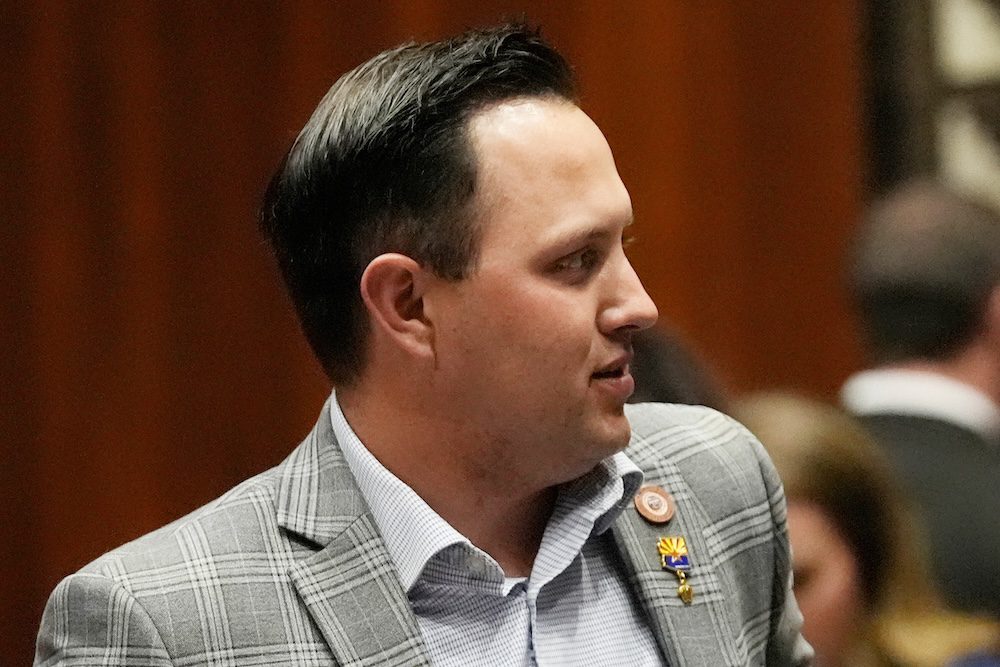
Ex-Arizona Republican lawmaker who questioned election integrity to be sentenced for using forged signatures
A former Republican lawmaker who questioned the integrity of Arizona’s elections and served as a leader for the conservative group Turning Point...
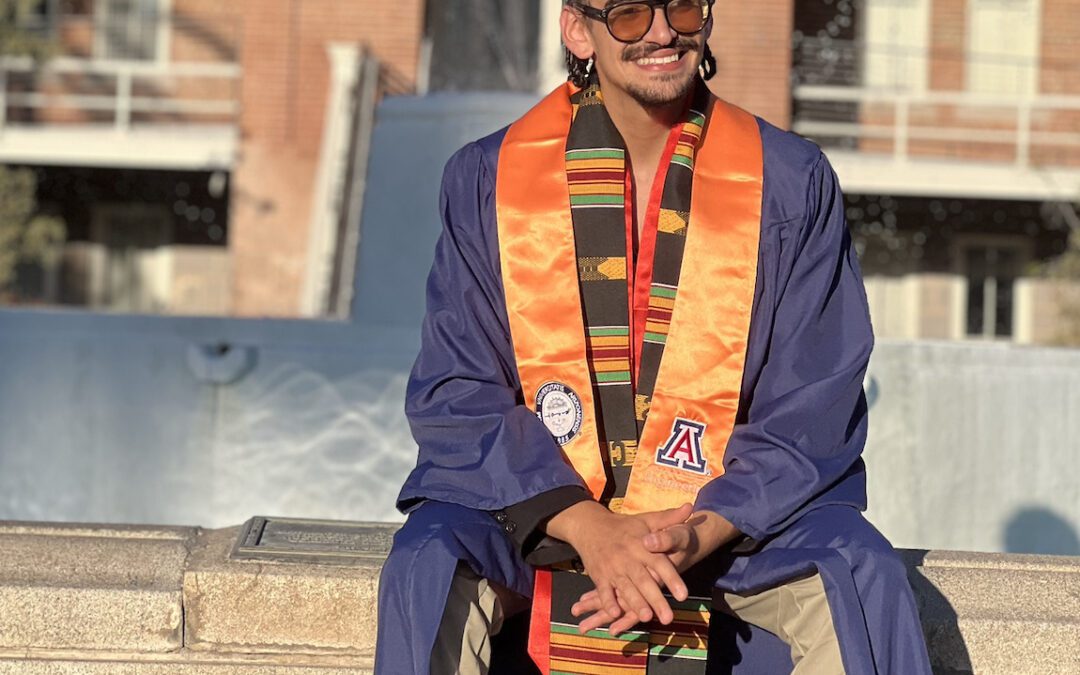
University of Arizona student shares details of ‘cruel’ experience in ICE detention
Yassine Halhoul came to the US to study at the University of Arizona on a student visa. The Trump administration detained him anyway. When Yassine...