(Michael Fousert/Unsplash)
If you’re used to cruising solo in the HOV lane during rush hour because of your electric vehicle, that could soon cost you at least $400.
Lone drivers of electric and alternative fuel vehicles will no longer have access to the HOV lanes during peak traffic hours. The change goes into effect Oct. 1, unless Congress extends part of a 2005 federal law that allows for the clean vehicle carveout.
While it’s unknown exactly how many drivers will soon be driving in the regular lanes, the Arizona Department of Transportation estimated that nearly 160,000 cars across Arizona have blue-and-white license plates that indicate an alternative fuel vehicle and could lose access to the specialty lanes.
MORE: Trump’s tax bill will likely make electricity prices soar in Arizona
U.S. Rep. Greg Stanton has introduced two bills in Congress to extend the no-cost program through 2031, as well as study the traffic impacts of allowing electric vehicles in the HOV lanes.
He also urged House Speaker Mike Johnson and House Minority Leader Hakeem Jeffries to add the extension to any end-of-year legislation, saying it will “promote American automotive innovation, aid American manufacturing of clean vehicles and alleviate congestion.”
Extending the incentive wouldn’t be a novel thing. It was mostly recently reauthorized in 2015, according to Stanton.
Rolling back clean energy regulations has been a focus of the Trump administration, including cutting tax credits for clean energy, but Stanton is confident that his bills will get bipartisan support.
“It’s not a partisan issue. The vast majority of people who have contacted me happen to be Republicans,” he said.
Stanton also noted that the HOV allowance “is one of the remaining incentives people have to purchase electric vehicles,” adding that Trump’s Big Beautiful Bill, which was passed in July, removed the tax credit for electric vehicle buyers after Sept. 30. The credit saved buyers $7,500 for purchasing a new electric vehicle and $4,000 for a used one.
ADOT began warning drivers and potential electric vehicle buyers in spring that the incentive would be gone by October.
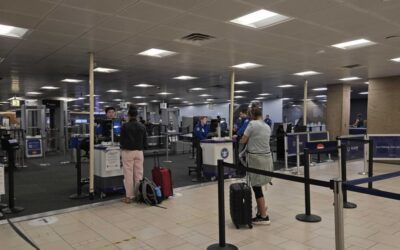
Vehicles allowed in the HOV lanes on weekdays between 6 a.m. and 9 a.m. and 3 p.m. to 7 p.m. include vehicles with two or more occupants, public transit buses and motorcycles. Fines for not following the rules cost at least $400.
This all comes on the heels of restored federal funding for ADOT to move forward with a plan to create a statewide electric vehicle charging network. The goal is to reduce “range anxiety” while encouraging people to buy electric.
Lauren De Young covers Tempe, Chandler, Maricopa County and transportation for The Republic. Reach her at [email protected].
This article originally appeared on Arizona Republic: Arizona‘s electric vehicles will soon lose access to HOV lanes. Here’s why
Reporting by Lauren De Young, Arizona Republic / Arizona Republic
Author

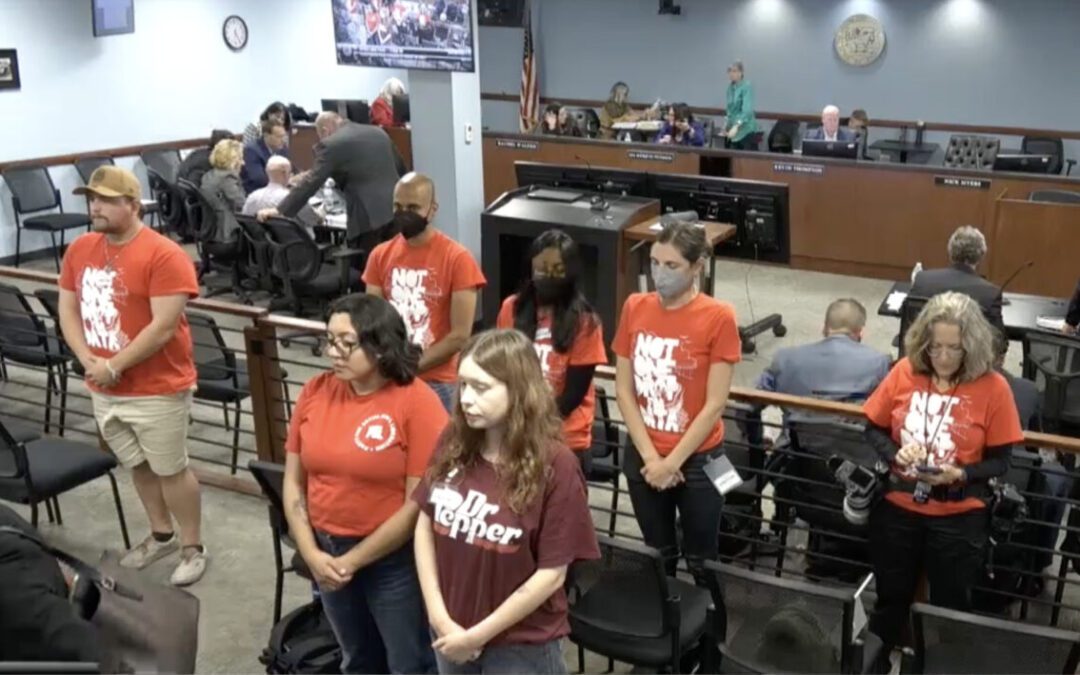
Readers chime in: What do you think of the Project Blue data center project?
Last week, the Arizona Corporation Commission approved a controversial proposal. It allows Tucson Electric Power to power a local data center called...
Arizona Corporation Commission greenlights Tucson data center energy agreement
The vote comes amid a growing national backlash to data centers, which have been shown to lead to contaminated water supplies, higher utility bills,...
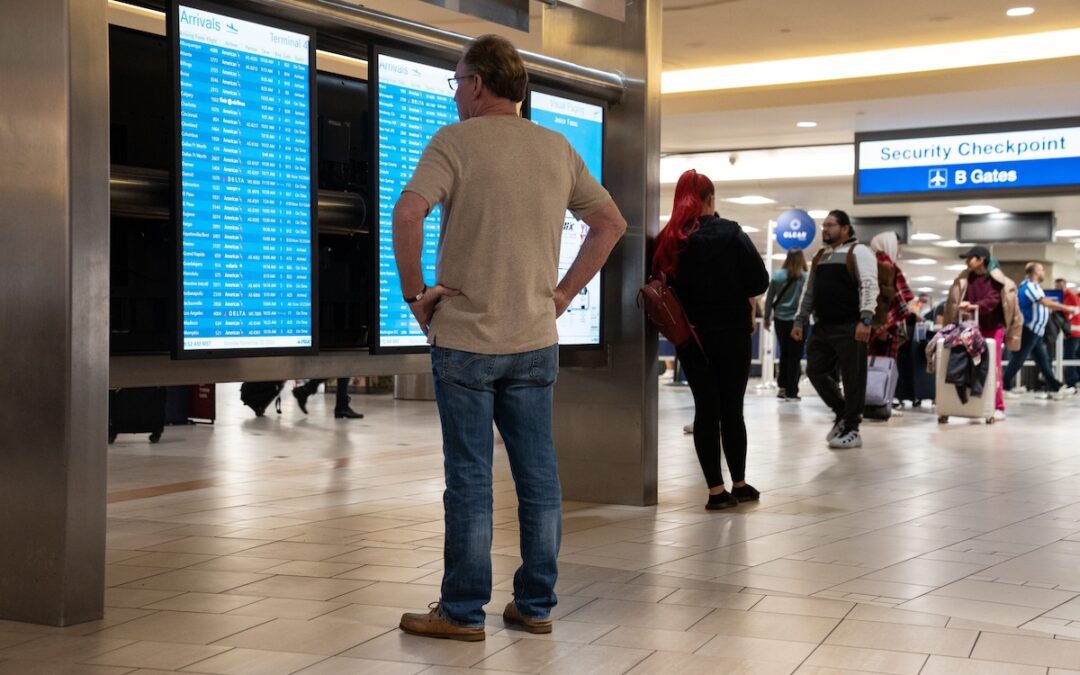
Phoenix Sky Harbor Airport sees flight reductions amid government shutdown
As the record-breaking government shutdown continues to disrupt American life, airports, airlines and travelers are waiting to see how flight...

Commission candidates, Arizonans upset over state’s increasing utility rates
PHOENIX — Anna Cicero, a retired educator who lives in Chandler with her daughter and grandson, held her utility bill up while speaking behind a...