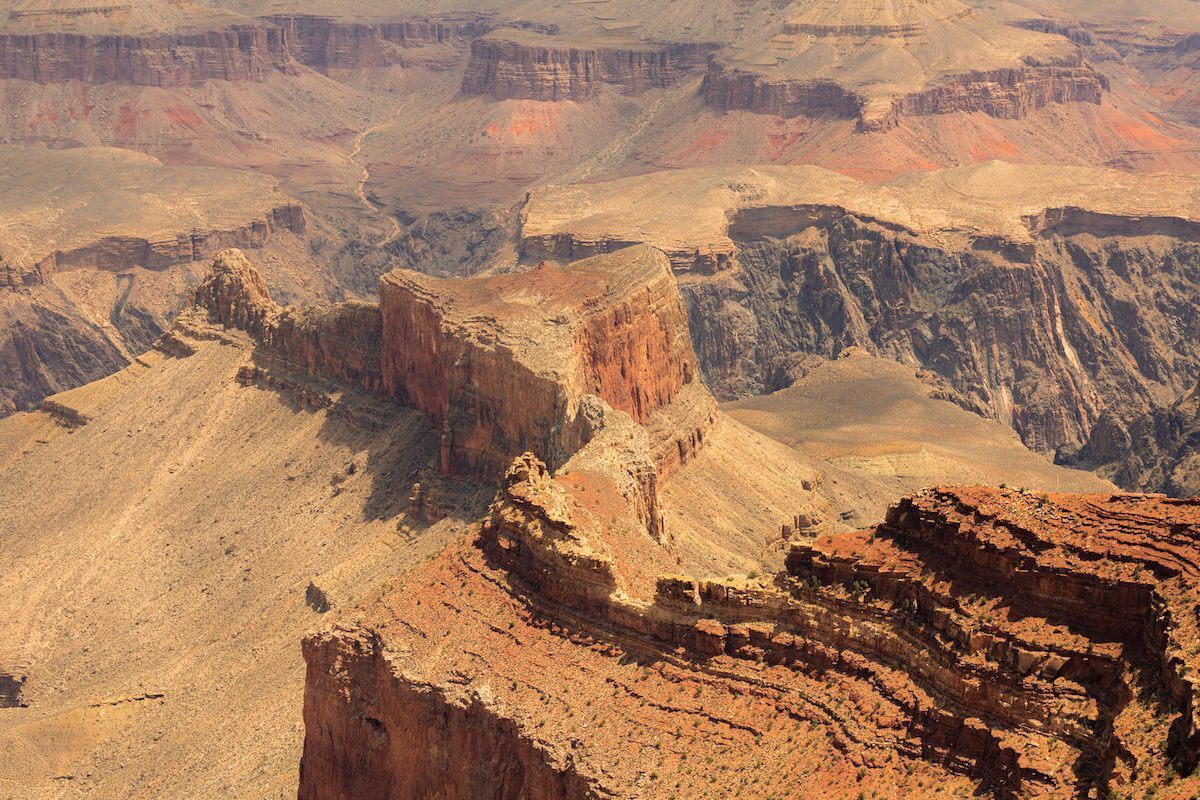
The Grand Canyon. (Ophélie Delmarle/Pexels)
One year into a presidential administration that has prioritized rolling back laws that protect the environment, Arizonans continue to show overwhelming support for conservation and public lands, according to a new poll.
Across the west nearly 3 in 5 voters in the poll say the rollbacks are a very serious problem. That number has increased since 2019 — from 49% to 59%. In Arizona, about three-fourths of those surveyed were concerned about funding cuts to public lands and national parks.
The Colorado College State of the Rockies survey polled 3,419 voters in eight western states on issues of environmental policy, conservation and land management. The poll is in its 16th year.
“This year’s poll comes at a critical moment across the west,” said Maite Arce, president of the Hispanic Access Foundation. “These challenges are intensifying and communities are paying attention.”
RELATED: Trump nominates a hospitality executive to lead the National Park Service
Last February, the Trump administration stripped thousands of jobs from the U.S. Forest Service and the National Park Service. The layoffs left the agencies that care for the country’s public lands struggling to cope. Later, the Department of the Interior sought to repeal a 2024 rule that enshrines conservation on public lands, and, in a series of executive orders, Trump fast-tracked mining projects like the Oak Flat copper mine proposal in Tonto National Forest.
The changes put conservationists on high alert. But the Colorado College survey suggests that the issues at stake are bipartisan. The results reveal that a majority of westerners across party lines have a strong inclination to the sprawling landscapes they call home and worry what the policies mean for the places they live.
”When we talk about the west, we’re talking about more than just a place on the map,” Arce said. “We’re talking about public lands that sustain local economies. We’re talking about forests and deserts that are part of our cultural identity.”
Staff shortages and budget cuts
Since 2025, the National Park Service has lost 25% of its staff, according to the National Parks Conservation Association. When the Department of Government Efficiency aimed to slash federal spending last year, it fired 1,000 employees from the park service and 3,400 from the Forest Service. Employees warned it would cripple maintenance and operation of beloved national landmarks and public lands.
In Arizona and other states facing the threat of wildfire, staffing shortages could prove dangerous — fewer people on the ground doing wildfire management, response, and prevention means increased fire risk. Concerns about wildland firefighter vacancies were highest in Arizona, Colorado and New Mexico, according to the poll.
“ We’re just seeing greater intensity, even going back to the first Trump administration, where people are saying that these funding cuts are really a problem,” said Lori Weigel, the principal of New Bridge Strategy, a research firm that helped conduct the poll.
Arizona’s forest health coalition, the Four Forest Restoration Initiative, is a collaboration between state and federal agencies. The US Forest Service and the Bureau of Land Management play a critical role in managing burns and thinning forests. The Forest Service employs a majority of the country’s wildland firefighters. Last year, 5,860 people left the agency due to resignations, terminations and retirements, and of those, 4,500 were in firefighting jobs.
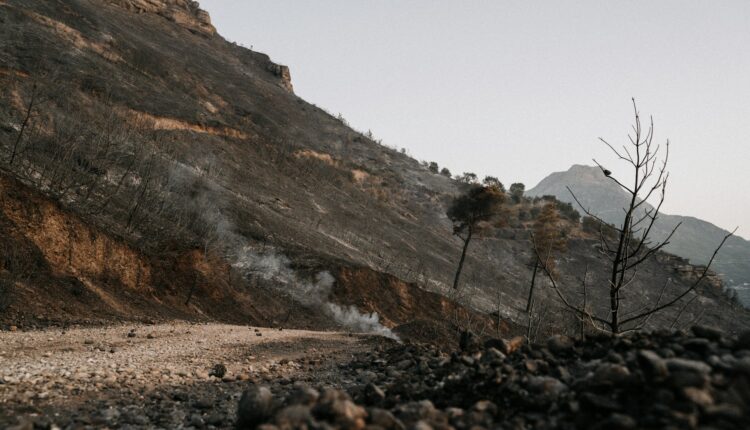
In 2025, the coalition’s work fell short of what it achieved in 2024, burdened by funding cuts and debilitated man-power. Efforts to remove hazardous fuels, like highly flammable vegetation, fell by two-thirds. The state is still recovering from the Dragon Bravo Fire, one of the largest in its history, that burned through the Kaibab National Forest and the North Rim of the Grand Canyon last summer.
In December, elected local officials across the west sent a letter to state attorneys general asking for help in defending their communities “from the impacts of reckless and potentially illegal cuts to federal public land management agencies and hazardous fuels reduction efforts.”
Reprieve could be on the way. On Jan. 19, Congress voted to reject Trump’s proposed cuts to the Park Service’s 2026 budget. But since last year, parks around the country are still understaffed.
Are national monuments at risk?
This year more voters than ever before say that existing national monument designations should remain in place, according to the Colorado College poll.
National monuments are sites on public lands with cultural or natural importance that are granted extra federal protection and are cared for by the Bureau of Land Management, Forest Service and National Park Service. Arizona has the second highest number of national monuments in the country behind California.
Last fall, a Department of Justice legal opinion determined Trump had the authority to abolish national monuments, and in Arizona, Rep. Paul Gosar introduced two bills to the House that would strip those designations from two state monuments—Baaj Nwaavjo I’tah Kukveni-Ancestral Footprints of the Grand Canyon National Monument and the Ironwood National Forest Monument. The bills would remove certain protections from the sites.
The Ancestral Footprints monument was created by President Joe Biden in 2023. The area includes sacred homelands of the Havasupai, Hopi, and other indigenous peoples. Conservation groups and tribal members celebrated the designation, hopeful it would put an end to uranium mining projects on the land.
In 2024, Arizona GOP lawmakers sued the Biden administration in response to the new monument. They claimed it was a federal overreach, and that the decision to establish new monuments should rest with the state. But in January of last year, a judge dismissed the case.
At the time, state lawmakers felt confident that a newly-elected Trump would reverse the designation. He hasn’t. But a long dormant uranium mine located within the national monument began operating again anyway.
Mining and resource extraction, NEPA, roadless rule
In a state that has seen a flush of mining proposals since last winter, the poll shows that a majority in Arizona oppose actions to expand resource extraction on public lands, like selling them for oil drilling, natural gas and mining.
In 2025, the Trump administration issued a temporary rule rescinding National Environmental Policy Act regulations, which assess the environmental implications of major projects, opening public lands up to new opportunities for mining leases and fast-tracking permit applications.
In June, the Bureau of Land Management approved a new gold mine on 330 acres of public land near Wickenburg and greenlit a copper exploration project northeast of Tucson. In November, the agency looked to revoke a 2023 rule that prevented new mining leases on public land around Chaco Culture National Historical Park
Last summer, the Forest Service announced plans to repeal a rule at the heart of its management strategy for over two decades. The Roadless Rule limits road construction and timber harvesting on 58.5 million acres of national forest land, mostly in the West.
Arizona has 1,174,000 acres of protected roadless areas. Colorado College’s survey shows that 63% of the state’s voters are opposed to increasing industrial roads on public lands for oil, gas and mining projects.
“ This poll helps us move beyond any assumptions and provides clear bipartisan insight into what Westerners actually think and what they want their leaders to prioritize,” said Ian Johnson, the director of Strategic Initiatives and Sustainability at Colorado College. It can reveal how voters’ attitudes have shifted over a decade and a half, he said, and how policy can shift public opinion.
Reporting by Sarah Henry, Arizona Republic
Author


Rare endangered orchid produces first blooms in conservation project at Desert Botanical Garden
TEMPE – After years of careful experimentation, the Desert Botanical Garden has celebrated a milestone in its effort to save an endangered orchid....
Summer in Arizona: How to hike safely in the heat
Beat the heat with Arizona's summer hiking guide! Stay hydrated, protect your skin, and explore cooler trails at varying elevations. As temperatures...

Your complete guide to container gardening in Arizona
Spring is almost here! Whether you rent or own, container gardening is a great way to grow your favorite greenery even in the desert scene. What is...
University of Arizona finds fewer forest fires lead to worse blazes
Research indicates forests are burning less frequently than before, potentially leading to more severe and destructive wildfires. Recent research...