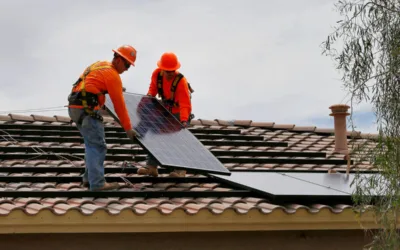
Lake Powell and Glen Canyon Dam (upper right), Sept. 5, 2024, near Page, Arizona (upper left on hill). (Mark Henle/The Republic via Reuters Connect)
A federal government plan to manage water shortages on the Colorado River could dry up the Central Arizona Project Canal and “wipe Arizona off the map.”
That’s one of the messages in a new series of ads posted online and aired on television, part of a campaign by the CAP and cities across the region to draw attention to what they see as unfair treatment of Arizona in the federal proposals.
MORE: Drought-stricken Arizona moves to curb groundwater use in more rural areas
Interior Secretary Doug Burgum announced on Feb. 14 that his agency would take over drought planning on the Colorado after the seven states in the river basin failed to reach an agreement. Among the alternatives in a federal document is one that could severely reduce Arizona‘s allocation.
A new plan is needed by late summer to replace a framework put in place in 2007. The process has taken on new importance with the prospect of another below-normal runoff reason on the river, leaving water supplies tighter than ever.
Here’s what to know about the proposals and Arizona‘s response:
What is the Colorado River drought plan?
The seven states, 30 tribes and Mexico share the water in the Colorado River under an agreement, called the Law of the River, written more than 100 years ago. The water is divided between the upper and lower river basins.
A drought on the river reduced the amount of water available each year, forcing the states to find ways of using less water. The original agreement is set to expire later this year.
The states have been trying to produce a new plan, but couldn’t agree on dividing the water. As the deadline neared, the federal government stepped in.
Why does Arizona oppose the federal government plan?
The Interior Department released a range of alternatives late last year, with a plan to study each of them and choose one. The options include plans that would force cutbacks in most of the states.
In normal times before the last quarter-century of drought, CAP was entitled to 1.6 million acre-feet of water — each acre-foot equating to roughly 326,000 gallons and enough to support about three households for a year. In those plentiful times Arizona took some of that water and sunk it in the ground for future use.
In recent years, Lake Mead’s loss of stored water has forced CAP to forego more than 500,000 acre-feet a year. Worse cutbacks are on the horizon, but just how dry the canal will go depends on what rules the federal government imposes.
One such alternative under review, CAP General Manager Brenda Burman recently said, would essentially dry up the agency’s canal from the river to Phoenix and Tucson.
“In that alternative, they proposed to take us off the map,” she said. Three other alternatives do less harm to CAP. The agency has rejected all as unfairly penalizing Arizona while demanding much less from upstream states in particular.
What is in the TV ads produced by the CAP?
An advocacy group called the Coalition for Protecting Arizona’s Lifeline has begun rolling out television ads and online videos defending the water supplier’s rights to a Colorado River that is under serious hydrological and political strain.
“Arizona is being unfairly targeted for reductions of Colorado River water that would cripple our state, flatten our economy and weaken our nation’s defense,” an ad aired by the coalition warns. It goes on to note that Arizona communities have done their part, committing more water for conservation in Lake Mead than those in other states, and that several options that the federal government is weighing for managing the river would fall hardest on the state.
The coalition’s website and ads ask Arizonans to pledge their support for the effort to protect CAP water. The group has posted numerous video testimonials from members.
What happens next?
The Interior Department said it will accept comments on the alternatives through March 2 and will then begin analyzing the plans and the responses from stakeholders.
Some sort of plan is needed by August, when the Bureau of Reclamation, which manages the dams on the river, sets the operating plan for the coming year. It’s likely some parts of the plan will be triggered by low runoff this year.
It’s also possible one or more of the states could sue the government over the final alternative, which could potentialy tie up the process for years..
Reporting by Brandon Loomis, Arizona Republic
Author

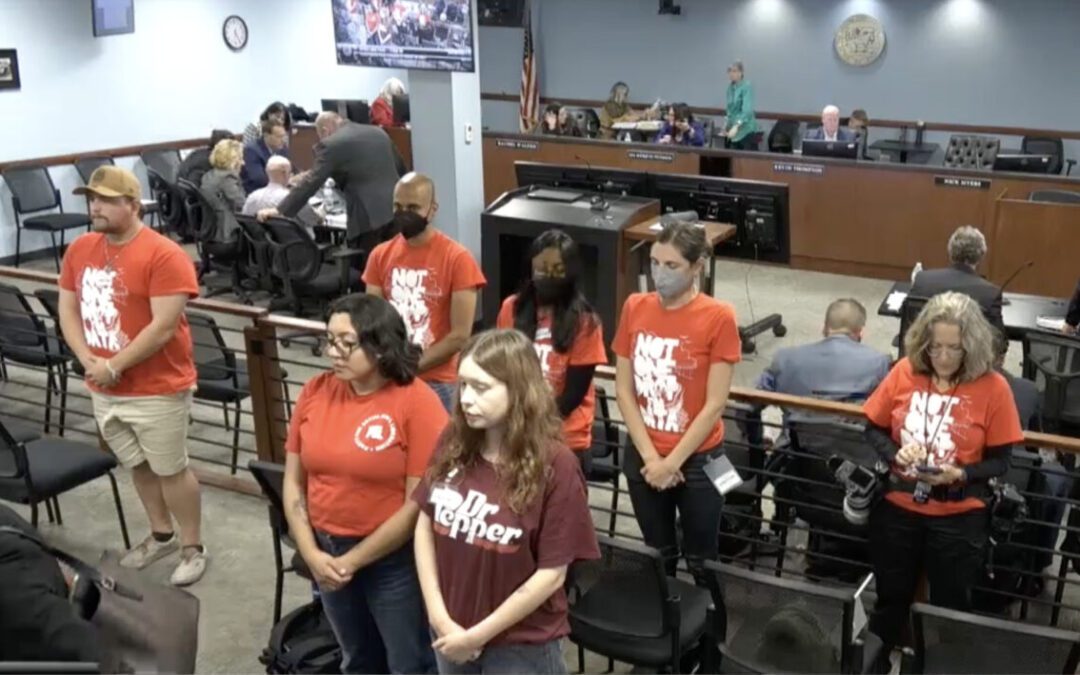
Arizona Corporation Commission greenlights Tucson data center energy agreement
The vote comes amid a growing national backlash to data centers, which have been shown to lead to contaminated water supplies, higher utility bills,...
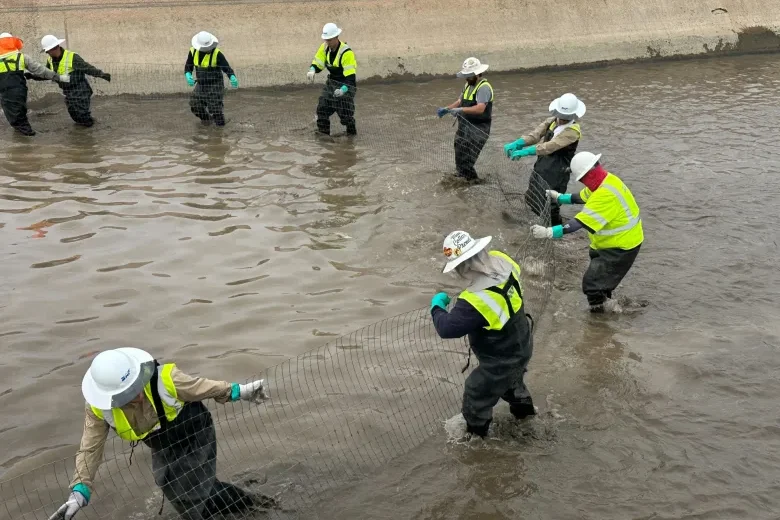
SRP begins canal dry-up, relocating fish and repairing miles of water infrastructure
TEMPE - SRP workers stood knee-deep in the muddy bottom of the Tempe Canal on Friday morning, pulling a long metal fence through the shallow murky...

Commission candidates, Arizonans upset over state’s increasing utility rates
PHOENIX — Anna Cicero, a retired educator who lives in Chandler with her daughter and grandson, held her utility bill up while speaking behind a...
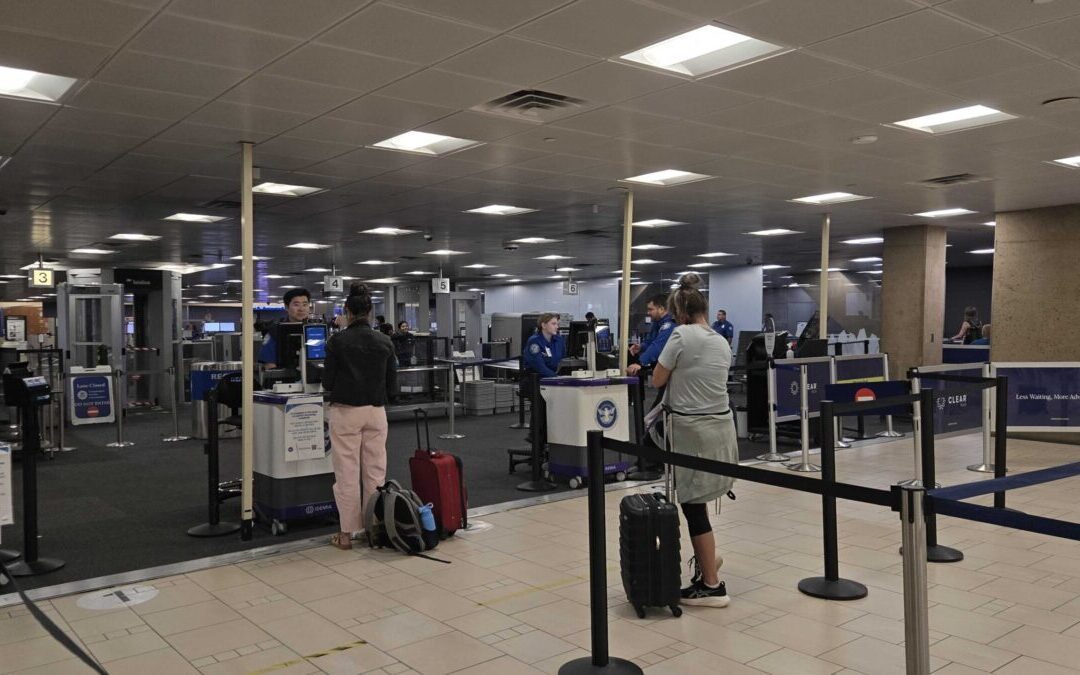
Flight delays at Sky Harbor, other airports may be just a taste of shutdown woes
WASHINGTON – A week into the government shutdown, staffing shortages among air traffic controllers have begun to hit travelers, though airlines and...