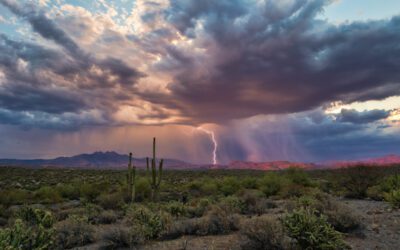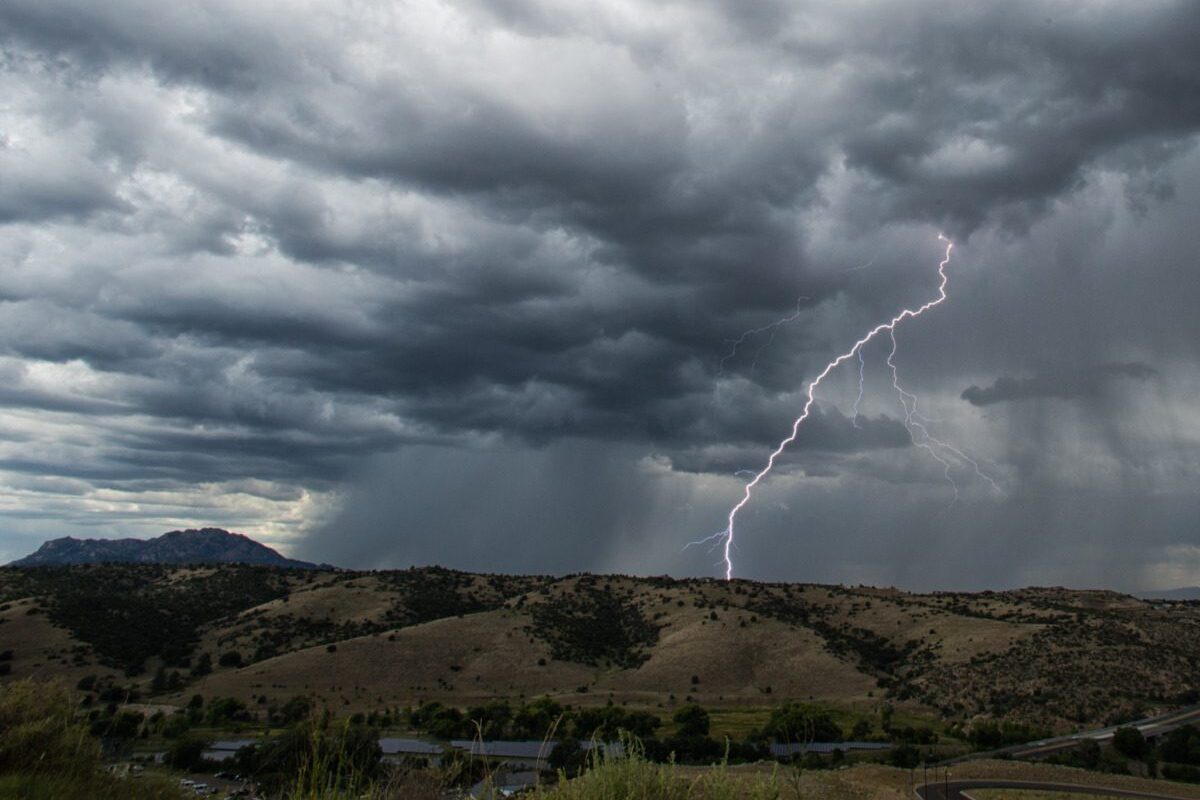
Lightning striking open Arizona terrain during a monsoon. (Dagny Gromer/Flickr)
Arizona’s monsoon season brings flash floods, dust storms, and extreme heat to state parks. Here are essential safety tips for June to September.
During Arizona’s annual monsoon season, outdoor enthusiasts face unique challenges navigating the state’s dramatic weather shifts. The combination of intense heat and sudden storms creates potentially hazardous conditions for visitors to Arizona’s parks and recreational areas, prompting officials to issue important safety guidelines for the months ahead.

Monsoon season brings increased weather risks
Running from June 15 through September 30, Arizona’s monsoon season marks a significant shift in wind patterns, transitioning from dry westerly winds to moisture-laden southerly flows. The National Weather Service predicts above-normal rainfall for many Arizona regions in 2025, heightening concerns about flash floods and consequent dangers.
These seasonal storms can trigger multiple hazards, including:
– Dangerous dust storms
– Lightning strikes
– Flash flooding
– Wildfires from dry lightning
– Extreme temperature conditions
Critical safety measures for outdoor recreation
Arizona State Parks and Trails emphasizes several key precautions for visitors planning outdoor activities during this volatile period. Weather monitoring becomes especially crucial, with park officials urging visitors to maintain flexible schedules and seek immediate shelter when storms are on the horizon.
In low-lying areas and locations like Catalina State Park, where terrain features increase flooding risks, visitors must exercise additional caution. Even seemingly minimal water levels can prove lethal—just six inches of moving water can topple an adult, while 18 inches can sweep away most vehicles.
Heat safety remains paramount
Beyond storm dangers, Arizona’s extreme temperatures pose significant risks to folks enjoying the great outdoors. Essential safety measures include:
– Staying hydrated
– Avoiding outdoor activities between 10 a.m. and 5 p.m.
– Using appropriate sun protection
– Never leaving children or pets in parked vehicles
– Checking on vulnerable neighbors
– Knowing the locations of statewide cooling centers
For additional information about Arizona’s state parks and natural areas, visit AZStateParks.com.
Author


The hottest months in Arizona since 1895
In 2022, the continental United States experienced its third hottest July since 1895, according to data from the National Oceanic and Atmospheric...

Autumns in Phoenix are warmer than ever. What does the 2025 fall outlook say?
The calendar may say fall, but the weather tells a different story. In Phoenix, summer heat rarely ends on schedule. Forecasters say this fall will...
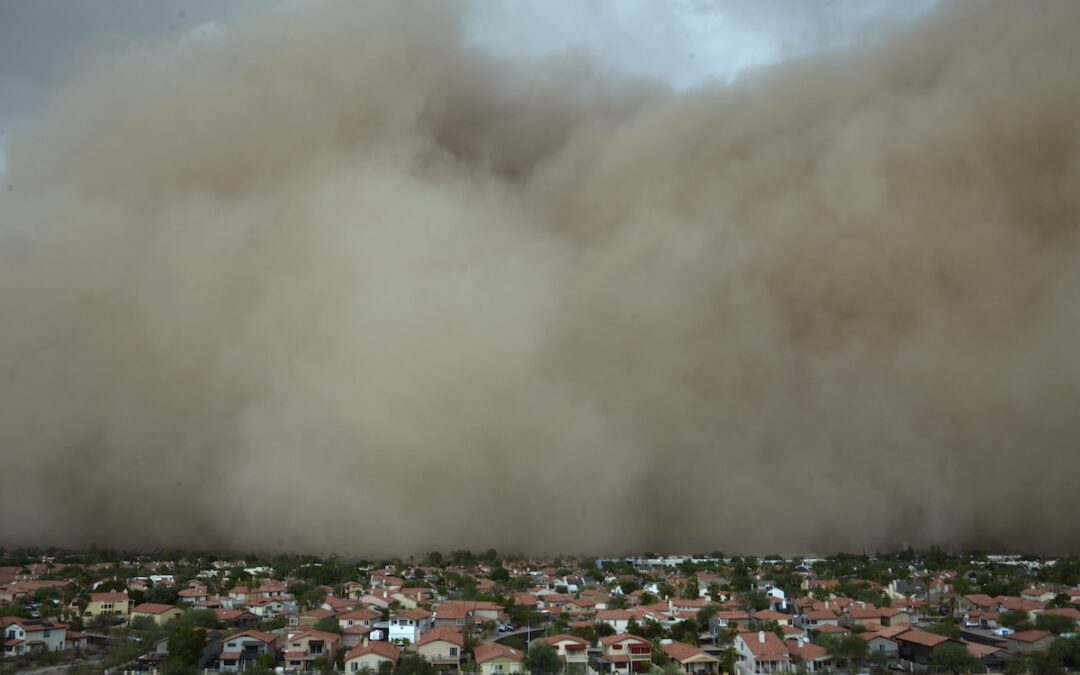
What to know about massive dust storms called haboobs in the US Southwest
Massive walls of dust and debris called haboobs that roll through the US Southwest can be awe-inspiring and terrifying, especially for motorists...

‘Fire clouds’ over Arizona and Utah wildfires are creating their own erratic climate
SALT LAKE CITY (AP) — Two wildfires burning in the western United States — including one that has become a “megafire” on the North Rim of the Grand...