It’s up to counties to decide if they want to allow elections boards to interact with voters virtually.
A judge ruled Monday that Arizona may allow voters in long-term care centers to cast their ballots virtually if it’s necessary due to a disability.
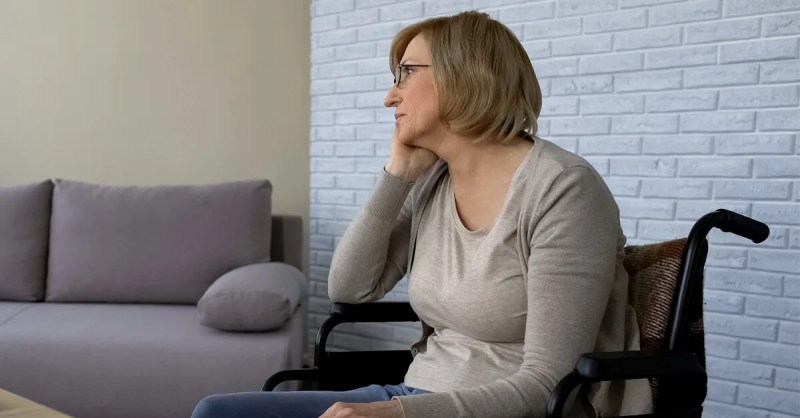
Normally in Arizona, special elections boards meet with people in long-term care centers who need assistance with voting. The board, comprised of one Republican and one Democrat, meets the voter, fills out the ballot as directed, and return it for counting.
But due to health concerns caused by the pandemic, Secretary of State Katie Hobbs came up with a workaround—allowing boards to meet with voters via video call.
However, Republicans including Gov. Doug Ducey and Attorney General Mark Brnovich have argued this violates state law, which states the boards must operate in person.
RELATED: Arizona AG Wants to Pause Ruling That Allows More Time to Remedy Unsigned Ballots
But Hobbs has maintained that the new plan is legal.
“The integrity of our elections also requires a deeper commitment from elections officials: a commitment to maximize the enfranchisement of voters and to facilitate and ease the process of voting within the contours of our constitution and laws,” Hobbs wrote in a letter to Ducey.
Maricopa County Recorder Adrian Fontes supported the idea and had sought a court order explicitly allowing the special step.
Maricopa County Superior Court Judge Randall Warner declined to issue an order explicitly authorizing video voting, saying the determination must be made on a case-by-case basis. He agreed that state law requires an in-person meeting but said that’s trumped by a federal law requiring that voters with disabilities be accommodated.
“That does not mean the county recorder is free to use video voting whenever he wants or for any voter who asks,” Warner wrote. “(The law) still requires personal contact, and that statutory requirement only yields to federal law when necessary to allow a disabled person to vote.”
Moving Forward
For now, it’s up to counties to decide if they want to follow Hobbs’ guidance and allow elections boards to interact with voters virtually.
Yuma County Recorder Robyn Stallworth Pouquette has come out in opposition to the idea due to concerns over security.
“Security and integrity are important, because voters really need to have trust in our offices,” said Pouquette, a Republican. “And I don’t want to support anything that would accomplish distrust.”
Eight groups supporting progressive causes and voting rights jumped to Hobbs’ defense, calling Ducey’s objections to her efforts “an attempt to disenfranchise Arizona’s most vulnerable communities.”
Election boards in Maricopa County helped 10 voters cast ballots virtually during the August primary, said Diana Solorio, a spokesperson for Recorder Adrian Fontes, a Democrat.
The Associated Press contributed to this report.