
Here’s every school board seat up for grabs in Yavapai County this November
Sixty-six school board seats across 37 races will impact over 12,200 students in Yavapai County.
Sixty-six school board seats across 37 races will impact over 12,200 students in Yavapai County.
During Tuesday’s vice presidential debate, Tim Walz highlighted the importance of building more affordable homes for families and holding accountable Wall Street investors who buy up housing and treat it as a commodity, while JD Vance continued to demonize undocumented immigrants and blame them for the nation’s housing shortage.

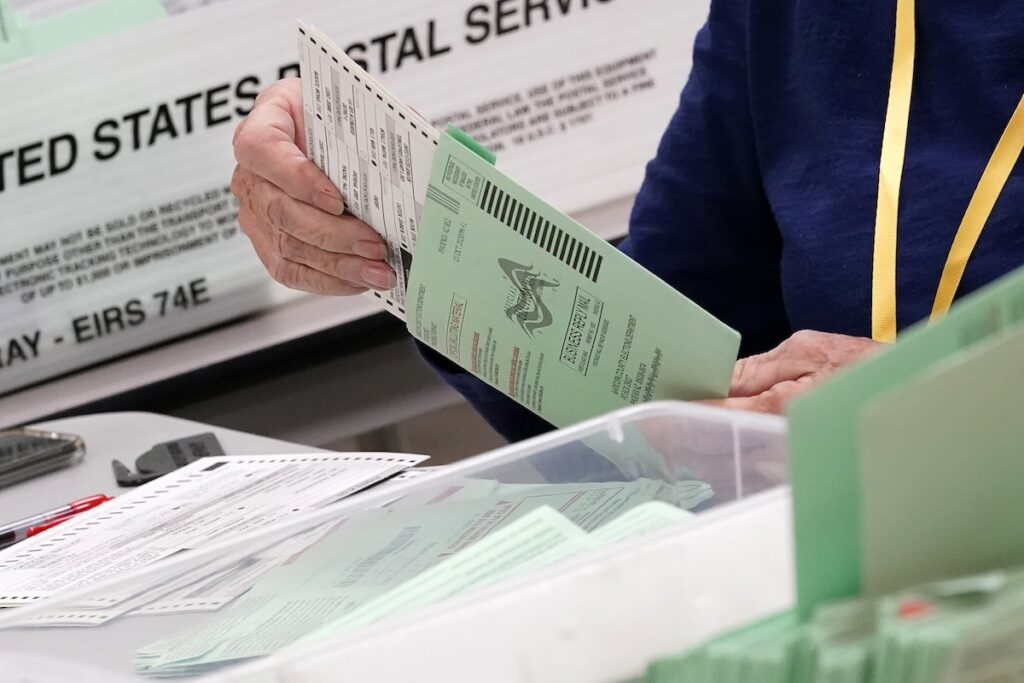
Tim Stringham's Republican opponent, Arizona Rep. Justin Heap, has refused to say the 2020 and 2022 elections were free and fair.

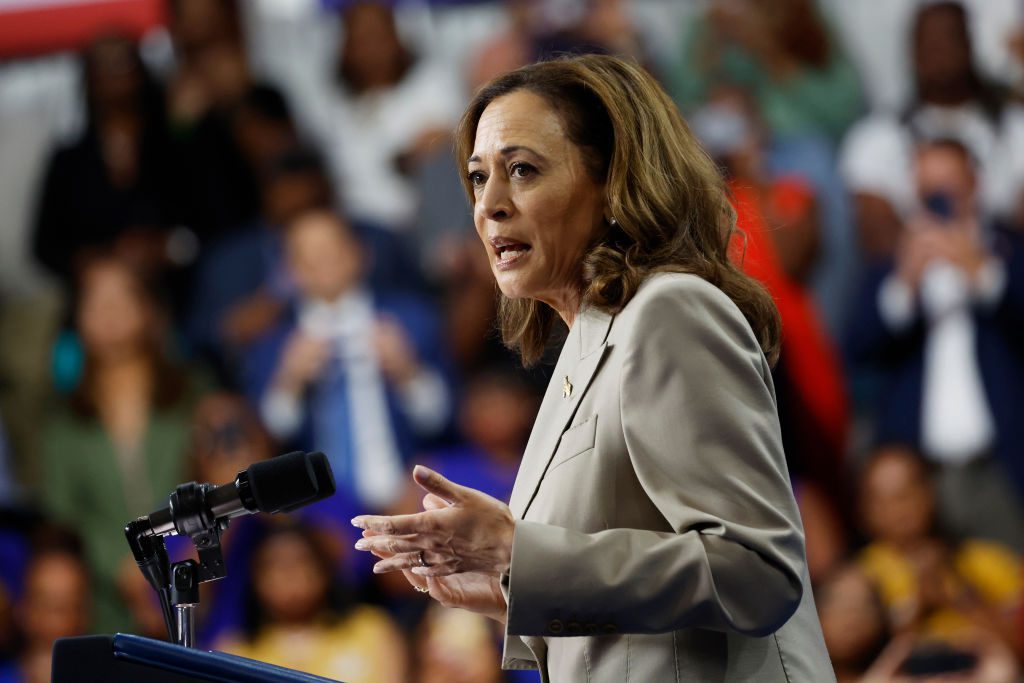
Harris wants to expand the $35 monthly cap on insulin costs and a $2,000 annual cap on out-of-pocket drug costs so that they apply to all Americans, not just seniors on Medicare.
Contraception, doctor’s visits, and breast and cervical cancer screenings are a few of the many healthcare services made affordable and accessible by Affirm and federal family planning grants.

Harris has proposed capping families’ child care costs to 7% of their income and offering families of newborns up to $6,000 in the first year of the child's life. Trump, on the other hand, has focused on tariffs as a solution to the child care crisis, despite evidence showing they would only raise costs for families.

Coconino County is 20% of Arizona’s total land, but has just 2% of the state’s population. Here’s what it’s like to run an election there.

Three candidates are running to represent students and teachers on the Chandler Unified School District governing board. Three others are campaigning for “parental rights.”

Activists came with a check for $1 billion and $1 to highlight how much Trump demanded from the oil industry in exchange for further gutting environmental regulations if reelected.

The Senate filibuster rule requires a 60-vote threshold for most legislation to pass, making it virtually impossible to pass abortion rights legislation due to Republican opposition. Without the filibuster, a law restoring Roe v. Wade could pass with a simple majority, or 51 Senate votes.
