Federal Cuts
-
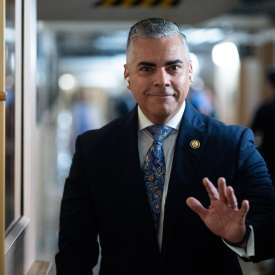
Ciscomani voted to cut SNAP and Medicaid. It could cost him his seat
Southern Arizona lost a hospital and hundreds of Casa Grande jobs—and Arizona lost more food aid than any other state in the country.
-
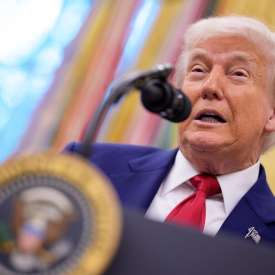
A Tucson hospital is closing its doors a year after Trump’s cuts
The closure will lay off 99 workers, making it the 10th Arizona health care facility to shutter since the law passed.
-
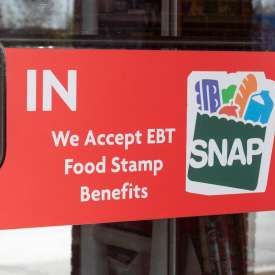
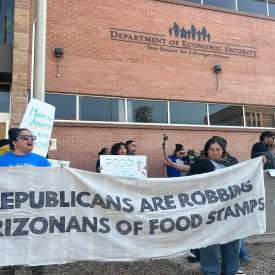
Arizona kids are losing SNAP benefits. Here’s what our readers think
The One Big Beautiful Act is having a big effect on SNAP benefits in Arizona. Here’s what our readers think about the fallout.
-
Maricopa County homeless shelters team up as federal funding dries up
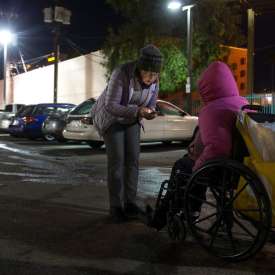
Maricopa County’s homeless population is rising as federal funding for shelter services is drying up. Now, four of Arizona’s major homeless service providers are plotting a new course for combatting the crisis.
-
What 3 Arizonans say about the first year of the new Trump era
It’s been a year since President Trump’s second inauguration. Here’s how his leadership has impacted these three Arizonans’ lives.
-
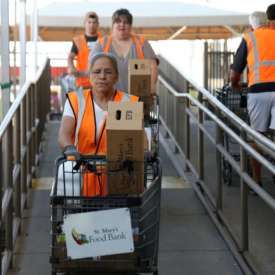
12 Phoenix food pantries to donate your time, money, & food to this holiday season
Do you have extra food, a little bit of time, or some cash to share this holiday season? Donating to Phoenix food pantries is a great way to help people in need.
-
Nearly 1 million Arizonans face food insecurity without SNAP payments
SNAP benefits still have not been distributed, even though the Trump administration agreed to partially fund the program by court order.
-
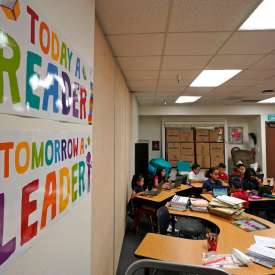
The shutdown is hurting schools whose budgets are mostly federal money
In Chinle, Arizona, financial distress caused by the government shutdown has led to the suspension of after-school programs, including some that students rely on for meals.
-
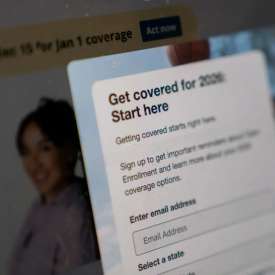
Why health insurance is so expensive this year—and what you can do about it
This year’s Obamacare open enrollment period, which started Nov. 1 in most states, is full of uncertainty and confusion for the more than 24 million people who buy health insurance through the federal and state Affordable Care Act marketplaces.
-
‘Better than starving’: SNAP recipients to get half ration in November
The Trump administration said it will provide only enough funds to cover half of the nation’s usual monthly SNAP payments—and that much only because a court ordered it to do so.