Arid and vast, the Sonoran Desert spans more than 120,000 square miles across Arizona, California, and northwestern Mexico. The region’s unpredictable rainfall, highly alkaline soil, piercing sun, and that dry heat make gardening here feel more like a high-stakes competition with the elements rather than a relaxing hobby. Fortunately, people have successfully grown food, flowers, and medicinal plants in the Sonoran Desert for centuries.
Successfully growing a thriving garden beyond the tried-and-true desert succulents requires attention to sun exposure, soil conditions, and planting methods. While experimentation is part of the gardening journey, patience is often the most important element when building a garden that will thrive for years to come.
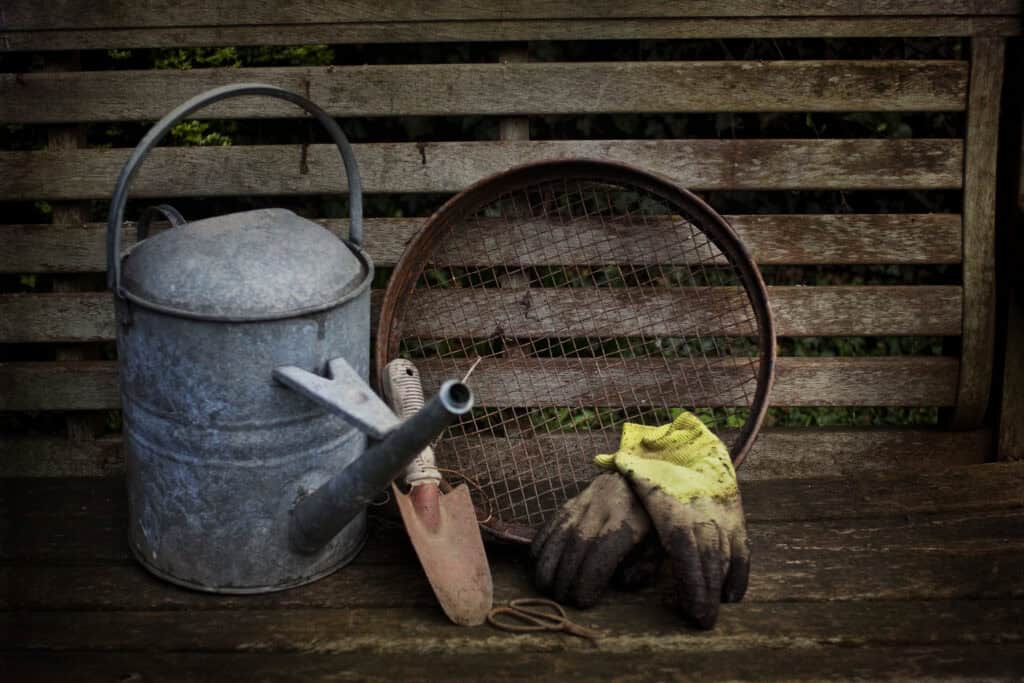
Tools to get started
If you are just starting out, here are a few of the basics worth having on hand.
- A hand shovel for container gardening
- A full-size pointed shovel for garden beds and in-ground gardening
- An oversized hat to shield your face from the harsh rays
- A garden hose capable of deeply soaking the soil
- Gloves—especially around cactus, mesquite, and rocky soil
- Umbrellas or shade cloth to help protect gardens that receive too much afternoon sun
- Compost and/or manure to enrich the soil
- Knowledge of your hardiness zone—most of the Sonoran Desert is in Zone 9 or 10
- Soil moisture meters are optional but helpful
- Patience and resilience are a solid must
Sun exposure
This is the shortest section of this guide, but arguably one of the most important. When a plant requires “full sun,” it is not accounting for the intense Arizona sun. It’s instead accounting for a national average, meaning full sun in Oregon, Michigan, or any other state that isn’t associated with dry heat, mirages, and sundevils. A full six hours of sun in Arizona will likely result in wilting, burning, and often, the worst-case scenario of death. Arizona rays are simply too harsh for most plants to sunbathe in for 6+ hours.
If you have the luxury of choosing where your garden is located, spend time observing how sunlight moves across the space—a few days is helpful, though a full year is ideal. The goal is to have a garden that gets full sun earlier in the day, but is generally shaded or in indirect sun between noon and 5 p.m. during the hottest months. If you don’t have the option to choose where your garden goes—i.e., it’s either already there or the only location with a hose spigot nearby—plan to use umbrellas and shade cloths to protect your earth babies from getting scorched.
Soil
By default, Arizona soil is highly alkaline. This makes it difficult for plants to get adequate nutrition. The soil also tends to be predominantly clay, which can often be improved by adding compost, organic matter, and other soil amendments. Soil health is a great step towards overall lush growth.
Compost
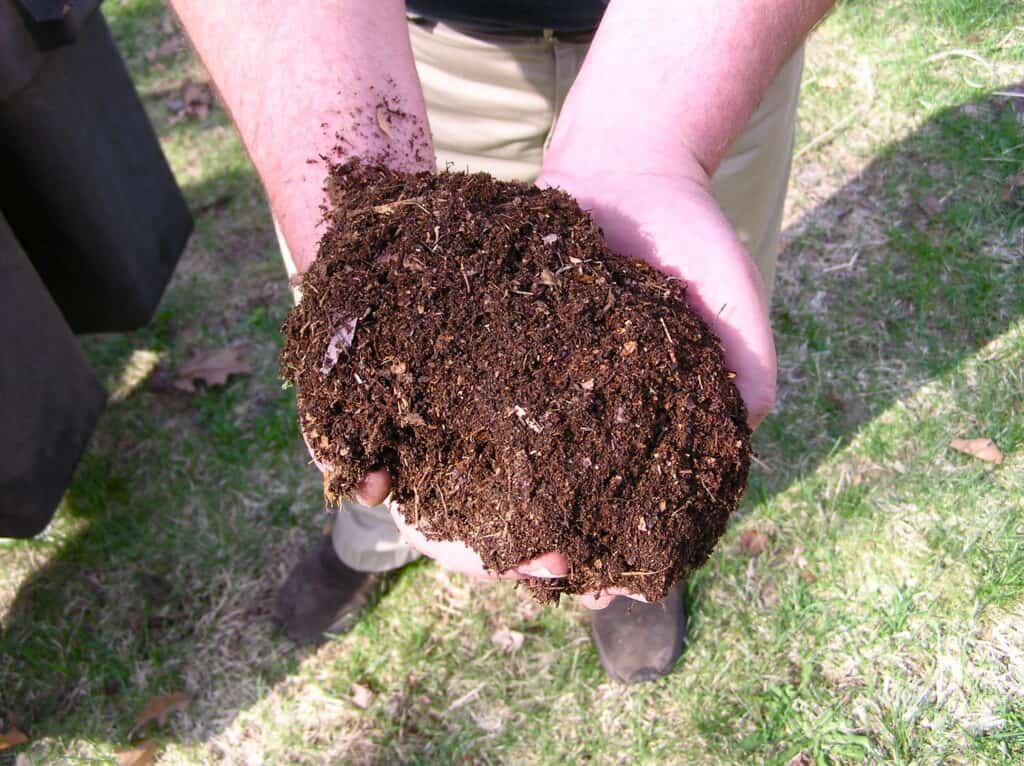
Beyond reducing waste, composting is a free and easy way to add organic, inexpensive nutrients to the soil. Created from a mixture of table scraps, eggshells, sticks, dead grass, animal manure, and other ingredients, compost is simple, free, and effective.
Create a bin in an old garbage can with holes for airflow, turning occasionally with a shovel and covering in the off-season. With regular care, composting breaks down into nutrient-rich soil that the plants will love. Be warned, though, to only mix in finished compost around established plants. Compost gets hot as it breaks down, and can burn plants that are already in the ground.
Coffee grounds & egg shells
If you’re not able to create a compost bin, regularly add your used coffee grounds and ground-up egg shells. These items serve as food for the soil and can even double as a natural bug deterrent. Chances are, you have daily servings of these items to offer the plants!
Organic matter
When fall is over and your harvest has been collected, consider planting legumes, clover, radishes, beets, and other root vegetables. If it grows, congratulations on the continued harvest. If it only grows so much, leave it.
Till the soil a couple of weeks before spring planting, and all of that organic matter will become nutrients for the soil. This is one of the easiest ways to treat soil between seasons and comes highly recommended by many master gardeners in the state.
Mulch & cover crops
Regardless of whether you found the perfect sun-approved garden location, mulch and cover crops go a long way in keeping soil moist and protected from the sun.
Mulch is often made of wood chips. A cheap choice—that will require soil amendment down the road—is pine shavings. Inexpensive and found at most animal supply stores, pine shavings can cover the soil around the plants, helping to not only protect from the sun but also to hold in some water.
Cover crops are an alternative, but require a bit more of a green thumb. Creeping thyme, clovers, legumes, nasturtiums, or even various grasses quickly spread and create a nutrient-providing barrier that both feeds and protects the soil. This methodology is used by many organic farmers nationwide. Although getting cover crops to take off can be tricky, it’s worth it in the long run.
Watering
Water is precious in State 48, but it’s vital to growing the dream desert garden. There are several things to know about watering.
Rainwater collection
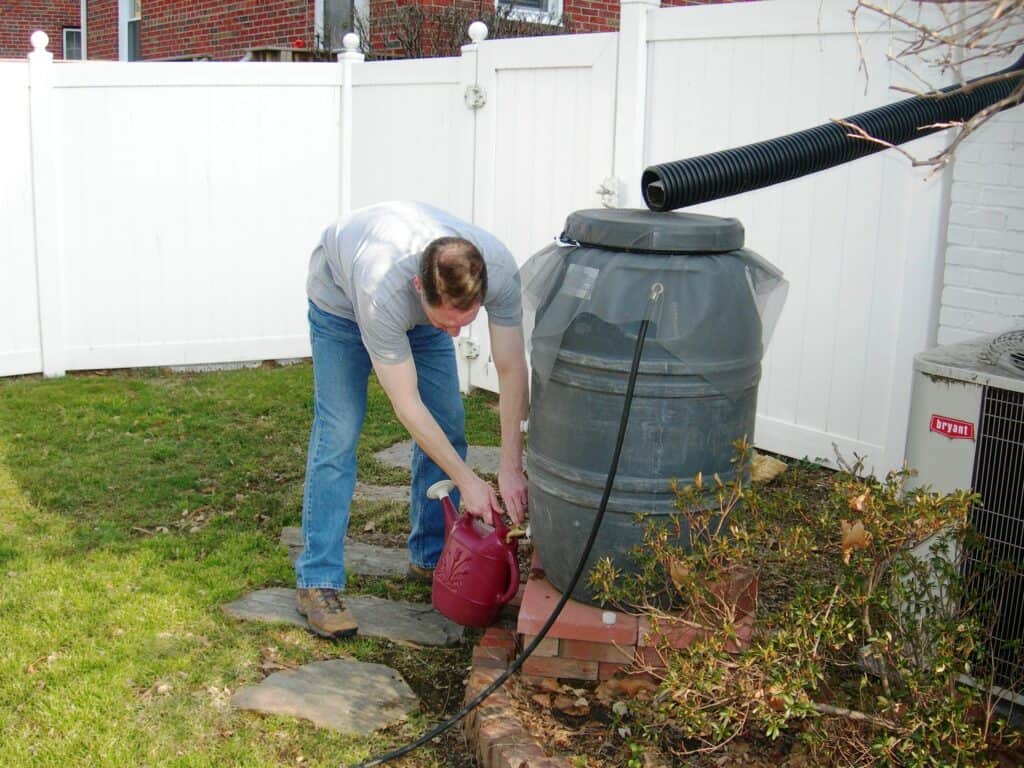
Rainwater collection is encouraged across the state. Simply place a barrel below a spout and collect the water to use in the garden later on. Whether it collects rain or drippings from your swamp box, collecting rainwater will help you save on the bill, create an environmentally conscious gardening approach, and may even contribute to a healthier growth cycle. Plants evolved to rely on natural rainfall long before gardeners got involved, after all. Using collected rainwater is simply a natural, holistic approach.
Timing
I lived in a townhome complex where the sprinklers used to go off in the middle of the day. Rather than encouraging green growth, the lawn was brown and soggy. Watering in the middle of the day often leads to faster evaporation and can leave plants struggling through the hottest part of the afternoon. Many gardeners will also swear that droplets on leaves in the high sun act like magnifying glasses, amplifying the sun’s burn.
Instead, choose morning and/or evening times to water. For example, if you leave for work at 8 a.m., choose a time between 6 and 7 a.m. to regularly water. It may feel like a chore the first week, but it can quickly become a time to sit with your thoughts in a pseudo-meditation. On extremely hot days, choose a mirrored time in the evening to double down on keeping the plants hydrated. During the hottest triple-digit weeks, missing a day can wreak havoc on most gardens.
Irrigation
Some people love to water their gardens—it can be the only solo time an adult can have! However, watering at a set time every day just isn’t sustainable for everyone. Instead, consider installing irrigation. This can come in the form of a sprinkler, an underground line connected to a hose timer, a solar-powered drip irrigation line, or even a soaking hose. There are plenty of ways to keep plants hydrated while still enjoying a human schedule.
If installing irrigation is unrealistic but you’d still like to enjoy some wiggle room, try using a few ollas. These underground terracotta pots slowly leak water into the earth, often buying you one—sometimes two—days between watering.
Pro tip: While I am the “some people” who appreciate the time spent watering, I also have a few solar-powered drip lines on hand for vacation. Although pricey upfront, it ends up being more cost-effective (and reliable) in the long run than hiring someone to come water your yard.
Depth
Different plants require different watering frequencies. Trees prefer soil to dry out between waterings. Tomatoes, lavender, and rosemary need topsoil to dry out, too, while other plants, such as squash and herbs, love consistent soil moisture. Succulents and snake plants notoriously like neglect. However, all of these plants require a good depth of watering when the time comes.
Simply sprinkling the topsoil with water is not enough. Adequately watering means witnessing the formation of puddles, wondering if the soil can slurp it all up (hint: It can). Deep watering encourages roots to grow deeper into the soil, making plants more resilient during hot weather. If you sprinkle water and it disappears in 30 seconds, you didn’t water enough. Think about taking a walk in the summer: You get inside, and someone offers you a sip of water or a full bottle, but you know your body needs the full bottle to stay hydrated. So do your plants.
Methodologies
There are a few ways to set up your garden that help maintain nutrients and make soil health easier to manage. While there is nothing wrong with using what is there, or simply mixing in amendments into existing soil, following one of the tried and true methods is a great way to ensure prolific growth for years.
Three Sisters
Three Sisters is an ancient method for growing staple crops in the desert. It was used by many Indigenous cultures throughout North America and remains effective today.
This method involves planting corn in the center of the circle, surrounding it with a ring of pole beans, and finishing with squash along the outer edge. The corn acts as a trellis for the beans, the beans add nitrogen to the soil, and the squash acts as a cover crop/mulch to retain water and nutrients.
While this method is effective, it is not immediate. Corn must be planted in a strategic mound once the danger of frost has passed and then grown to at least 6 inches high—usually within 2 weeks—before beans are planted. A few days later, squash seeds should be planted. This method is particularly convenient for those who save seeds!

Lasagna composting
If you have some fresh garden beds to work with, lasagna composting is a great way to ensure long-lasting soil health for a few years. The idea is to create layers that work together and break down over time, releasing nutrients into the soil. This method supports longer-term prolific growth without constantly feeding and amending the soil.
The basic process goes like this: Layer the bottom of the bed with cardboard (remove staples, stickers, etc.). Next, add in old grass trimmings, pulled dead weeds, branches, leaves, etc. Add a layer of compost. By this point, the layers should be nearly two feet high. If you plan to let this sit and compost, continue the layering. If you would like to use the garden bed, add one to two feet of soil to the top and plant. As the plants die off, you can go back to layering, or at least adding compost into the areas where annual plants are done. Be sure to add mulch, either in the form of leaves, trimmings, or wood chips, every few months. This method mimics a forest floor, creating rich soil beneath the surface over time.
Companion planting
No matter the method, companion planting is a great way to encourage growth while also deterring pests.
For example, roses and garlic grow really well together, and the scent of garlic deters aphids. Tomatoes and peppers grow well together, and the scent of peppers can deter tomato worms. Citronella can also be a companion to many plants, as can mint, thyme, and oregano—strong scents are believed to contribute to an organic approach to pest mitigation. Surprisingly, strawberries and rhubarb grow well together, too.
It’s worth checking online for companion plants that complement anything you plan to grow.
Books to further knowledge
We all started somewhere. No one wakes up with a naturally green thumb—if they do, they go to the hospital or remove the cheap metal ring.
There are many books on the various gardening methods of Arizona. Here are a few titles that I continuously turn to for advice on transforming my drab desert garden into a green, edible oasis.
Pro tip: I’ve encountered all of these titles at the local library. Starting off doesn’t have to include spending a fortune on books. Save the money for the plants!
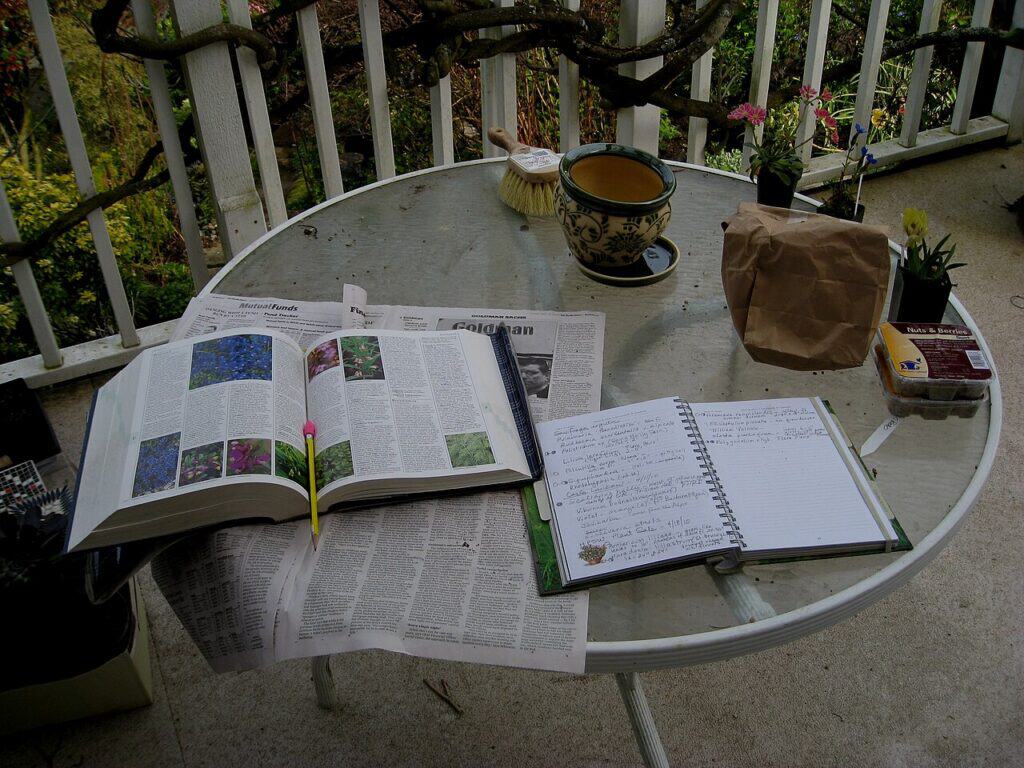
“Desert Gardening for Beginners: How to Grow Vegetables, Flowers and Herbs in an Arid Climate” by Cathy Cromell, Linda A. Guy, & Lucy K. Bradley
This book is easily the secret weapon; it’s the one I keep going back to the library for. The authors are lifelong gardeners who have drawn on the latest horticultural information from University of Arizona researchers and translated it into usable, easy-to-follow gardening advice. If there is one book you’ll skim or read, this is the one.
“Desert Gardening: Fruits & Vegetables: The Complete Guide” by George Brookbank
Readily available and easily accessible, this book looks at desert gardening up to 3,500 feet. As a one-stop shop style guide for Arizona and beyond, this desert gardening book is good to keep on hand.
“Month-by-Month Gardening in the Deserts of Arizona” by Mary Irish
With succinct information formatted in monthly to-dos, this is a great book for beginners who wish to learn how to work with the desert as it is.
“Landscaping with Native Arizona Plants” by Ervin M. Schmutz & Soil Conservation Society of America
A garden doesn’t have to be edible or medicinal—it can simply be filled with native plants that lend to the natural habitat that would be there if houses weren’t. This book is a great way to dive into desert roots without worrying about too many techniques.
“Roses Love Garlic: Companion Planting and Other Secrets of Flowers” by Louise Riotte
Most gardeners have come across this book in their thirst for education. Simple and straightforward, this is a great basis for companion gardening—you will be surprised how much sticks with you!
Where to begin
Feeling overwhelmed? Start small and remember these final tips:
- Rosemary, lavender, and radishes are great plants for beginners.
- Tomatoes like soil to dry on top before being watered again.
- Use the shower setting on your hose nozzle when watering.
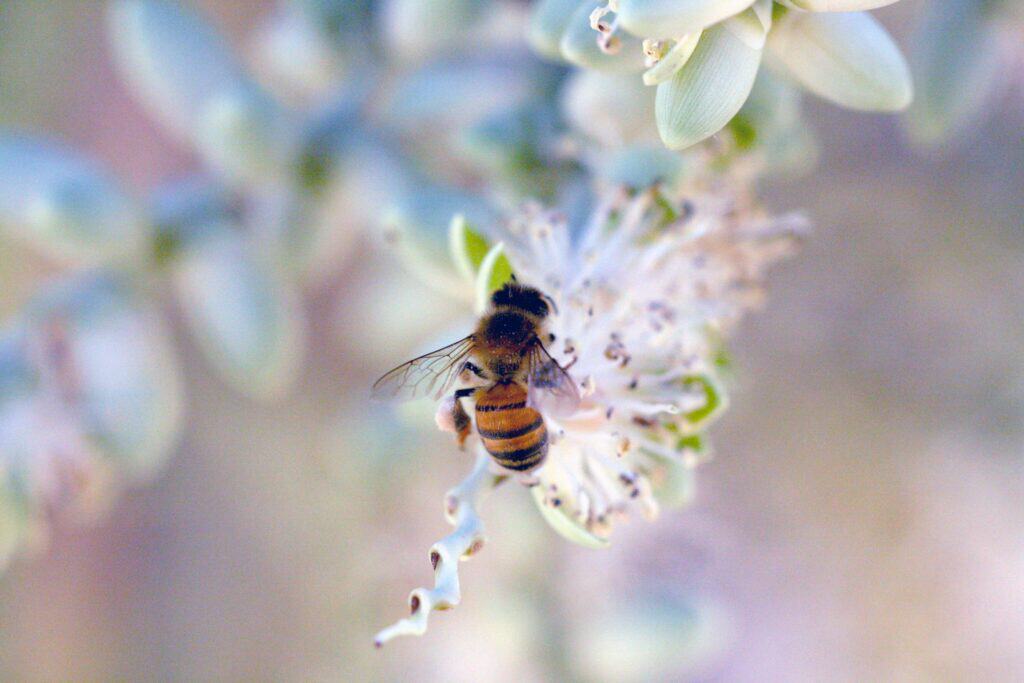
- Bees, butterflies, bats, and hummingbirds are all important for pollination.
- Gardening is a constant experiment and learning experience.
- There are gardening courses available at your local community college.
- Social media is a great resource for gardening groups where you can observe, learn, share, and grow.
- The best gardeners are also the ones who never stop learning.
This article first appeared on Good Info News Wire and is republished here under a Creative Commons license.