Reporting by Elena Santa Cruz, Arizona Republic
As Arizona anticipates federal cuts to its share of Colorado River water, residents may become hyperaware of their water use.
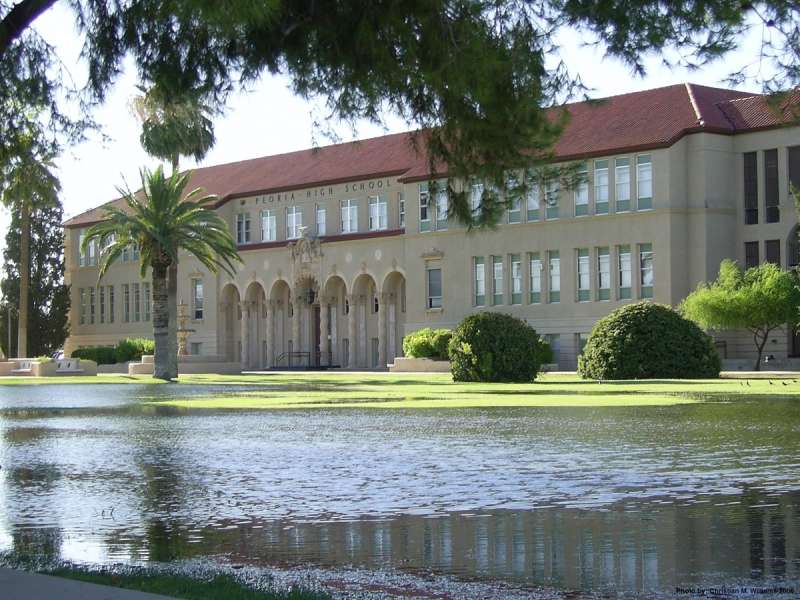
Customers in Peoria should be, because wasting water is prohibited in the city.
The city’s local laws say things like leaving taps on when not in use, failing to repair water leaks, and allowing water to run off one’s property onto streets or sidewalks are not allowed.
Depending on the violation, residents could face a $250 to $1,000 fine, a class one misdemeanor, or their water shut off.
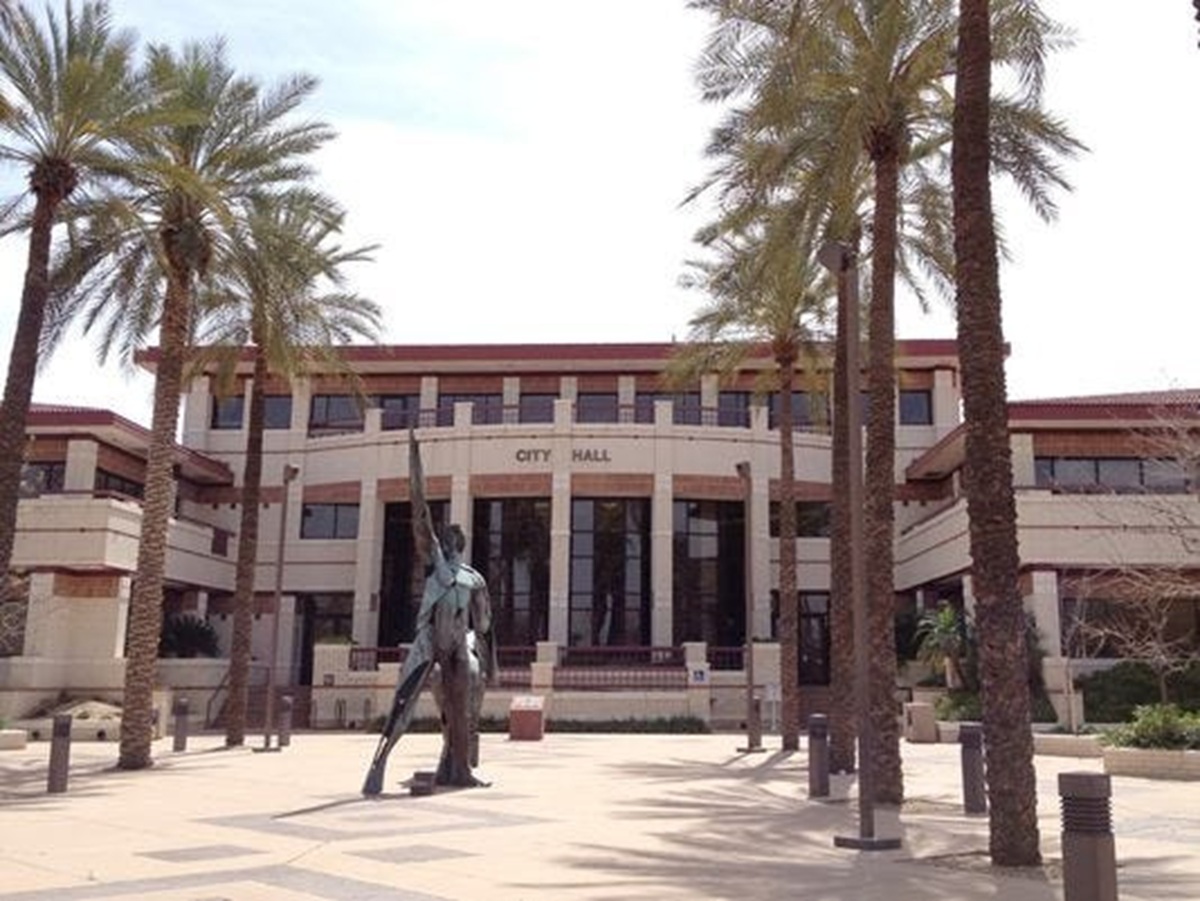
Water waste was written into the city’s local laws in 1992, but it has since been expanded.
So far in 2026, the city’s code department has reported 117 violations, mostly for water leaks and pool backwashing, according to Victoria Caster, Peoria’s sustainability and water conservation coordinator.
Arizona’s allocation from the Colorado River will soon fall by nearly 25% over the next two years. That would amount to about 760,000 acre-feet of water, according to the federal plan meant to protect the drought-stricken Lake Mead and Lake Powell.
An acre-foot of water is enough to supply three typical households for a year.
Peoria gets its largest share, 44%, of water from the Central Arizona Project canal, the 336-mile canal system that provides the river’s water to major Arizona communities. The city also gets water from several other sources. In descending order, those are the Salt River Project canal, recycled water, long-term storage credits, and groundwater.
In 2022, the city entered a stage one, “water watch,” drought in response to regional, years-long discussions about the river’s shortages to educate the public about water conservation.
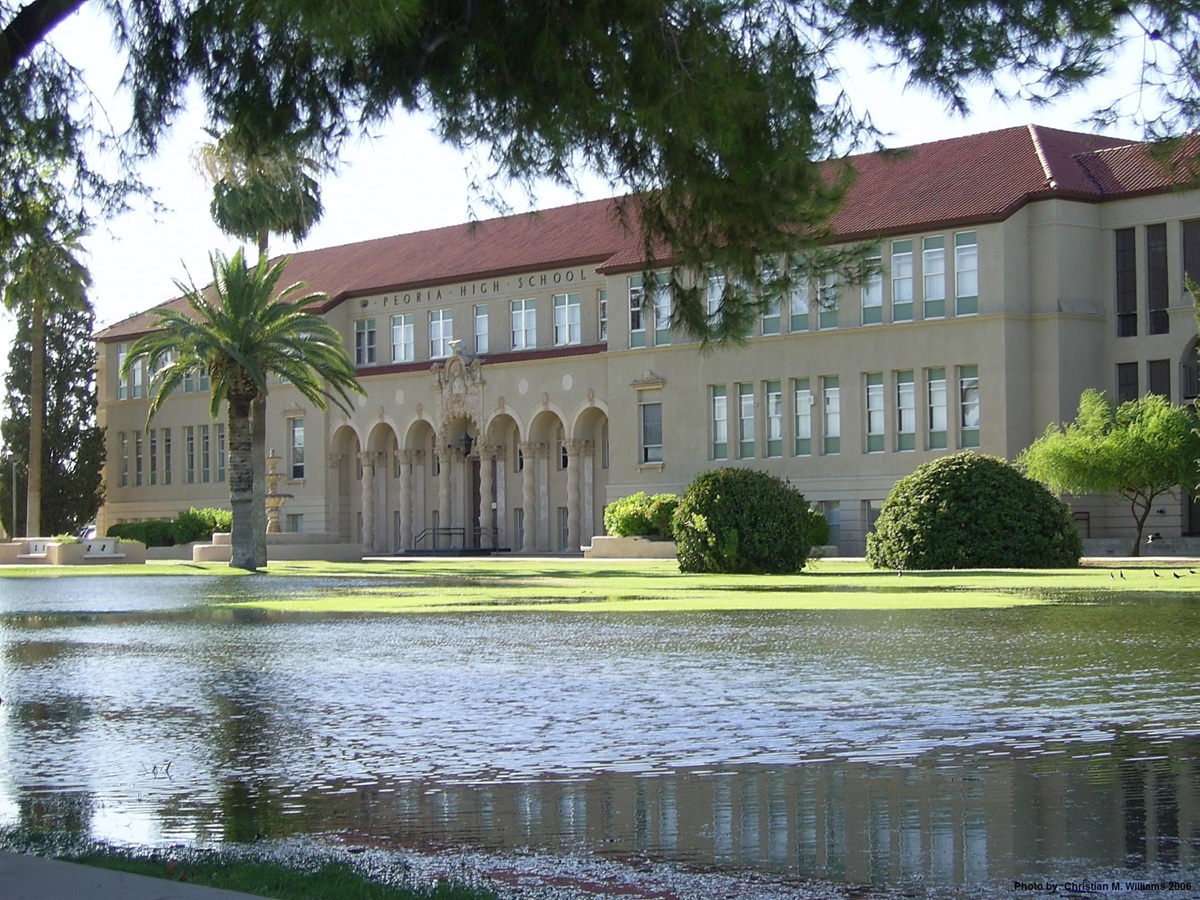
Officials say Peoria is in a good place. Caster recently told city leaders that Peoria has reduced its water use by 5% since entering the “water watch” stage.
Though the city has a diverse water portfolio, officials say they are constantly preparing for the future.
Recently, Peoria leaders agreed to spend more than $104 million to secure additional water supplies, including enough water to provide 1.5 million gallons a day for the next century, in anticipation of the federal cuts.
City leaders were recently told that Peoria’s investments in additional water sources and infrastructure will be the major reason why increased utility rates for the next two fiscal years may be rolled out soon.
A report detailing the proposed rates is expected to be published on Nov. 15, and the Council will vote on the rates on Dec. 15.
What is considered wasting water in Peoria?
Peoria’s water customers must prevent unnecessary water waste and keep taps off when not in use, according to its local laws.
It’s also prohibited to let water run off from a landscaped area to where water “is not beneficially used,” such as streets, sidewalks, gutters, alleys, and public or private parking areas. And if someone identifies a water leak on their property, they must repair it within 14 days. If they don’t, the customer could face a civil sanction.
There are other ways the city considers wasting water:
- Pouring, throwing, or allowing water to flow onto any street, ditch, land, alley, vacant lot of another person or public place in the city.
- To allow or “negligently cause” water to escape or flow in a large enough quantity that might cause flooding, disrupt traffic or create a hazardous condition for traffic, or cause damage to the city’s public streets.
- Overwatering plants.
- Discharging pool backwash water.
Elena Santa Cruz covers the West Valley cities of Glendale, Surprise and Peoria. Reach her at elena.santacruz@arizonarepublic.com or follow her on X @ecsantacruz3.
This article originally appeared on Arizona Republic.
Related: Should you be allowed to record in AZ courtrooms? Court seeks feedback