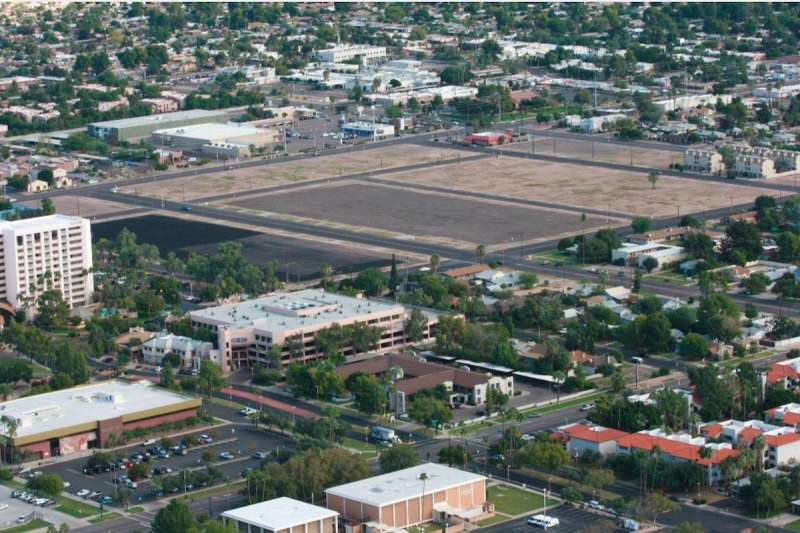
Maria Mancinas has waited more than 30 years to see a 25-acre vacant lot along University and Mesa drives called Site 17 be developed.
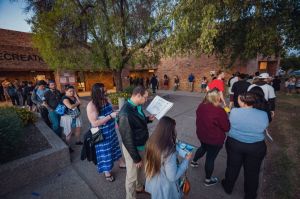
She was one of more than 50 attendees at a neighborhood meeting on June 25 with Culdesac, the developer the city selected to transform the area.
In the 1990s, the city bulldozed some 60 houses in a largely Hispanic neighborhood to make way for an entertainment district that never came. It spent millions to take ownership of the land and over the past two decades it sat untouched.
MORE: Residents come together to cultivate pride in this historic Phoenix neighborhood
“I think it’s about time we get serious about this project,” Mancinas said.
She said she was skeptical about the project’s proposed timeline but held hope she’d be able one day “celebrate” even the “baby steps.”
In September, the council approved a deal with Culdesac that will bring 1,000 townhomes and apartments along with ample commercial space in a project that would promote walkability and discourage car use. Phase 1 would bring the first for-sale product in 40 years and is expected to begin in 2027.
Now Culdesac is hosting neighborhood meetings before it goes back to the City Council to request a zoning change.
Mesa neighbors react to the Site 17 plans
Most of the more than three dozen residents in attendance were hearing the Culdesac plan for the first time. Some were skeptical it would come together, while others were excited to see what would be developed there.
Jeff Peters was one of those residents in attendance. He felt optimistic and was happy to see someone step in and take over the vacant land after so many years.
He called Site 17 a “scar on the landscape” that made downtown look “incomplete.”
One of his priorities was for the development to blend with the community.
“Is it going to be the shiny object or is it gonna complete the neighborhood?” Peters said.
Meanwhile, other residents questioned how the Culdesac could honor the Hispanic neighborhood that once existed there.
Augustine Gastelum, a downtown resident and advocate, supported the company’s investment into the district but held reservations.
He has followed Site 17 for many years and recalled the early community engagement with the city.
“There’s a certain level of respect that has to be part of the process, which is why it’s been difficult to redevelop, right, because there’s a lot of emotions tied to it,” he said.
He reiterated the community’s previous demands to include affordable housing within the development to atone for kicking the previous residents out.
During negotiations, Culdesac had stated affordable housing was a non-starter without a subsidy from the city. In the end, the final agreement didn’t stipulate any requirements.
“The residents, the taxpayers, own this land,” Gastelum said.
He said they had the opportunity to include some affordable options for the people who grew up or live in the surrounding area.
Some residents pushed for Culdesac to make the planning material available in Spanish for the Hispanic neighbors and to push for community engagement with the historic downtown neighborhoods.
What Culdesac plans at Site 17
Culdesac developers will request a zoning plan modeled after the former Fiesta Mall site.
Currently, the land is zoned as downtown core. An infill development plan zoning, which has rarely been used by the developers in the city, will give Culdesac the flexibility it needs to build out the lot, said James Graef, the company’s chief of staff.
“We basically create our own zoning code with that infill incentive plan,” Graef said.
He said the plan would allow Culdesac to make changes to the plan at an administrative level rather than going back to the City Council in the future.
Culdesac Mesa is expected to be built in three phases with full buildout estimated in 2034.
Bringing people together is a “core pillar” for the company as well as “transportation freedom” and helping “thriving local businesses”, he said.
Reporting by Maritza Dominguez, Arizona Republic