
As economic uncertainty grows, these surprisingly stable jobs in Arizona can offer a path to long-term security.
The modern workforce is largely composed of individuals who lived through the Great Recession of 2007 to 2009. During that time, the housing market collapsed, consumer debt surged, and an economic downturn rippled far beyond the borders of the United States. Those who experienced it firsthand remember the high unemployment rate, widespread layoffs, high foreclosures, and the shift it marked in economic stability—it was no longer the world we had grown up in.
With international turmoil on the rise today, economic uncertainty once again feels imminent. Rising costs for gas, insurance, groceries, and housing—paired with record levels of consumer debt—have created a growing sense that history may be repeating itself. In response, many are seeking out recession-proof careers. A recession-proof—or recession-resistant—job is one that can withstand economic fluctuations or, at the very least, provide a stable income baseline.
Whether you are just entering the workforce or simply looking for greater stability, these Arizona-centered career paths offer resilience in the face of potential economic downturns.
Here are 10 recession resistant jobs to look into in Arizona
HVAC techs
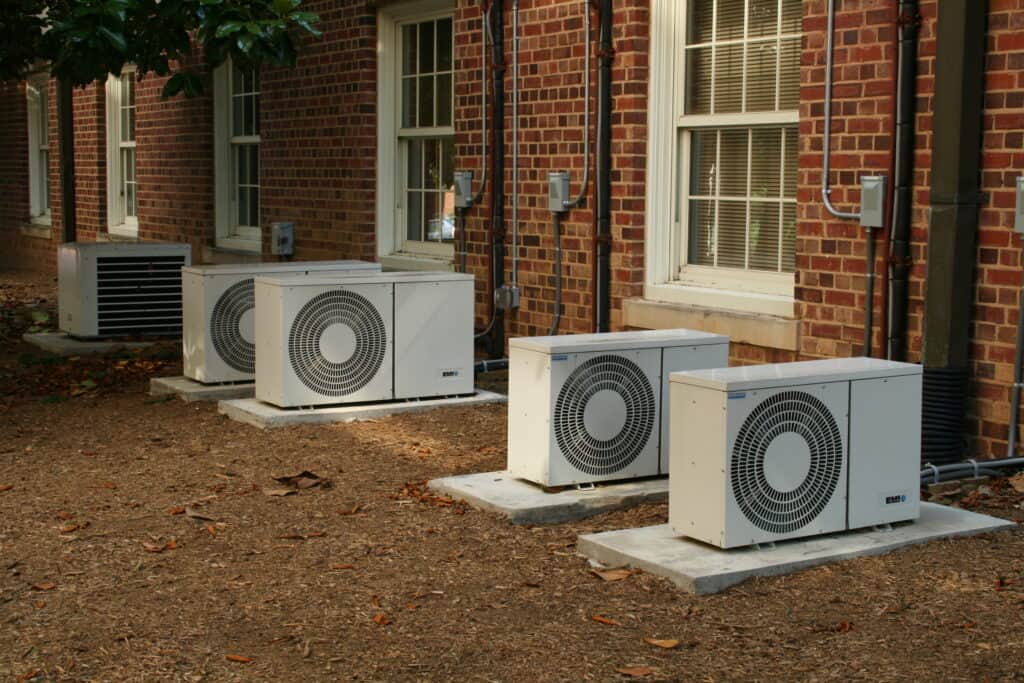
Steady economy, slow economy, growing economy, one thing remains a guarantee in Arizona—triple-digit summers. The high summer heat makes air conditioning and evaporative cooling a standard in State 48, so much so that those who forgo it make headlines. In this case, high heat equals stable employment.
EVAP and HVAC technicians receive up to 18 months of training and make an average annual salary of $60,000. Since air conditioners are a cultural standard within the state, these “cool” technicians rarely experience layoffs or pay cuts. After all, aside from spending the day in a pool, air conditioning is one of the only ways to get through stretches of 120-degree heat.
Plumbers & electricians
Are you up for an electrifying experience? How about a high-paying, sometimes odorous one? Plumbers and electricians are high-earning specialized tradespeople who are generally in high demand. No matter how tight a budget is, the average person prioritizes running water, working lights, flushing toilets, and the electricity needed to run cooling systems.
Electricians and plumbers both earn an average hourly wage of around $30, and, regardless of unemployment rates, they are consistently needed for essential services. Alternatively, other trades, such as mechanics and cosmetology, may also offer steady and reliable career paths.
Mortuary services
Not to be morbid, but the reaper knows not of recession. End-of-life services remain in demand regardless of economic conditions. Mortuary professionals—from coroners to funeral directors to cremation specialists—provide essential support during some of life’s most difficult moments, helping families navigate loss with care and dignity.
Pay in this field can start lower but tends to grow with experience. In Arizona, morticians typically earn between $17 and $31 per hour, depending on the role and an individual’s experience. While not often considered, this line of work offers both stability and the opportunity to make a meaningful impact.
In addition to mortuary services, hospice care plays an equally important role, offering comfort and support to individuals and families before those services are needed. Both fields require compassion, patience, and a steady presence, and both remain consistently in demand.

First responders and public safety
“Can you spare some change?” While walking down a street in Guatemala, I was surprised to see a firefighter asking for gas money. In many parts of the world, public infrastructure is not consistently funded, leaving even essential services up to outsourcing efforts.
In contrast, first responders in the United States—officers, firefighters, EMTs, and paramedics—are supported through taxes and prioritized public spending, ensuring that these roles remain secure. After all, emergencies and hazards happen regularly and do not simply decrease because the economy does. In fact, demand for these services often increases during times of economic uncertainty. These high-adrenaline, service-driven careers offer both stability and purpose, making them a reliable option regardless of economic conditions.
Insurance adjuster
Whether due to natural disasters, an increase in claims, a rise in accidents, or simply the nature of the industry, insurance rates increase. For cars, mortgages, health, and even pets, insurance has become a fixed necessity. Regardless of income, some form of coverage is built into the average Arizonan’s budget, as the risk of financial hardship from an uninsured claim is very real.
With that in mind, insurance adjusters and agents are typically insulated—or should I say insured—from economic ups and downs. While the profession may not always be popular, it offers steady work and reliable pay, with average hourly earnings around $30.
Finance and accounting
Accountants are often among the last to be laid off, largely because they are the ones tasked with identifying where to cut costs. As an accountant at my first job once joked, “Who is going to recommend laying themselves off?” Those who work in finance and accounting have a distinct advantage during times of economic uncertainty. Not only do they understand how to manage their own financial stability, but they also help businesses and individuals build and maintain realistic budgets for healthy cash flow.
Careers in this field include financial advisors, bookkeepers, accountants, and tax professionals. Pay varies based on experience, credentials, and education. For example, bookkeepers earn an average of around $50,000 per year, while accountants earn closer to $70,000.

Blackjack dealer/casino worker
In times of financial strain, people often search for a little hope. For some, that hope leads to one of Arizona’s 28 casinos, where the chance of winning more can feel worth the risk. Pro tip: This is rarely a fruitful gamble.
Even during economic downturns, casinos tend to see only a slight dip, continuing to draw a steady stream of patrons. A wide range of roles—desk jobs, security, janitorial services, and bartending—remain relatively stable, making casino work a surprisingly recession-resistant option. Pay varies depending on the role.
Delivery drivers
UPS, FedEx, USPS, and beyond, delivery drivers are the backbone of modern culture. Just about everything we need—medical supplies, food, alcohol, and other basic goods—is transported by a delivery driver. Whether it’s delivered between counties, states, stores, homes, or post offices, there is a delivery driver behind it. Although luxury orders decrease during times of economic impact—such as that extra Amazon order—the basics rarely falter, leading to a recession-resistant role for delivery drivers. Making an average of around $25 an hour, the security of driving boxes around doesn’t sound so bad, even in the heat.
Further food for thought—during recessions and economic slumps, alcohol sales rise. Bar patronage goes down, though, making recessions a prime time to be a liquor store owner, an alcohol sales rep, a spirits warehouse employee, or—you guessed it—a delivery driver for a spirits company.

Tattoo artists
Up for some ink therapy? Tattoos are more than just a form of self-expression and art. For many, the process itself releases endorphins—the body’s feel-good chemicals—adding to the appeal. Although tattoos can be pricey, the appeal of lasting art and the emotional boost can outweigh financial constraints.
In fact, during 2020, many tattoo artists reported record-high earnings despite equally high national unemployment rates. While recessions may bring some fluctuation, the mainstream acceptance of tattoos has helped the industry maintain a consistent baseline, even in tougher economic conditions. Just look at how many tattoo shops are around Phoenix—nearly 400! Before pursuing an apprenticeship, it’s important to know that tattoo artists are typically paid per piece rather than hourly, meaning income can vary widely. Still, the potential to earn well remains—even in uncertain economic times.
Teacher
In 2025, the Department of Education saw significant changes and budget cuts, resulting in layoffs nationwide. However, many core subject and STEM teachers remained employed, while reductions most often affected paraprofessionals, elective teachers—such as art, culinary, and home economics—and maintenance staff. For the most part, teachers in core and STEM roles maintained their positions, with pay remaining consistent with the previous school year. Even in “To Kill a Mockingbird,” Scout’s teacher kept her role during the Great Depression. While fictional, this example reflects a broader truth that still holds today—despite the rise of homeschooling and ESA funding, teachers remain essential.
The average public school teacher earns around $60,000, while newer, alternative, or rural teachers may earn closer to $45,000. Teaching at a charter or private school typically requires a bachelor’s degree, while public school teachers are generally required to hold a master’s degree and/or appropriate credentials.
While nothing is guaranteed, these 10 career paths are a strong bet for long-term financial stability. May you always afford housing, utilities, groceries, and gas, even in the most uncertain times.
This article first appeared on Good Info News Wire and is republished here under a Creative Commons license.